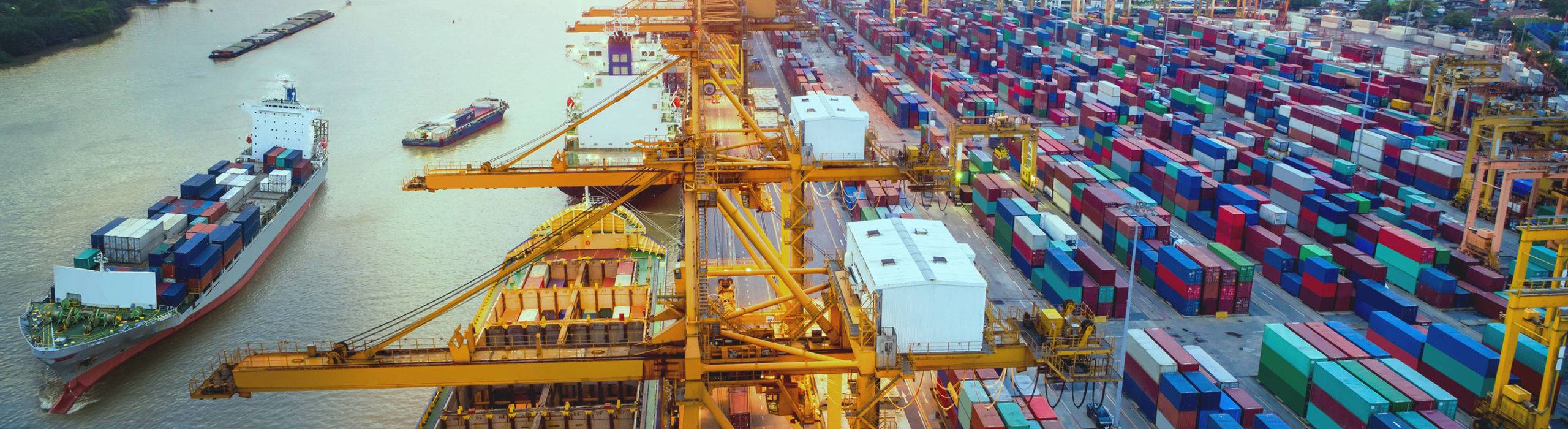
Advancements in Heavy Industry: Engineering for the Future

Fundamentals of Heavy Industry

Heavy industry forms the backbone of modern economies, playing a pivotal role in the production and manufacturing of goods that are essential for daily life and technological advancement. This sector encompasses a broad range of activities, from the extraction of raw materials to the production of heavy machinery and infrastructure development. Understanding the fundamentals of heavy industry is crucial for professionals, students, and stakeholders involved in engineering and manufacturing.

Definition and Scope of Heavy Industry

Heavy industry refers to the large-scale manufacturing processes that involve the transformation of raw materials into finished products, typically using significant amounts of energy and resources. This sector includes industries such as steel manufacturing, shipbuilding, automotive, aerospace, construction, and mining. The scope of heavy industry is considerable, impacting various sectors including defense, transportation, and energy. Heavy industry is characterized by:

  • High capital investment: Businesses in this sector often require substantial financial resources to establish and maintain operations.
  • Large-scale operations: Heavy industries typically produce goods in bulk, necessitating extensive facilities and workforce.
  • Complex supply chains: The nature of operations often involves intricate logistics and supply chains to manage raw materials and distribution.

Key Sectors and Their Contributions

Several sectors fall under the umbrella of heavy industry, each contributing uniquely to the economy. Below are a few key sectors and their contributions:

  • Steel Industry: Vital for construction and manufacturing, the steel industry contributes billions to the global GDP and employs millions worldwide. For example, in 2021, the global crude steel production was approximately 1.95 billion metric tons.
  • Shipbuilding: This sector is essential for global trade, as over 90% of the world’s goods are transported by sea. Major shipbuilding nations include South Korea, China, and Japan, which dominate the market.
  • Aerospace: With a focus on innovation and safety, the aerospace sector is crucial for transportation and defense, contributing significantly to national economies through job creation and technological advancements.
  • Mining: The extraction of minerals and resources is foundational for other industries, providing essential raw materials such as coal, copper, and iron ore.

Challenges Faced by Heavy Industry

Despite its contributions, heavy industry faces numerous challenges that can hinder growth and sustainability. Key challenges include:

  • Regulatory Compliance: Adhering to environmental and safety regulations can be complex and costly, impacting operational efficiency.
  • Technological Advancements: Keeping pace with rapid technological changes can be a challenge, requiring continuous investment in new technologies and training.
  • Labor Shortages: The sector often struggles with attracting and retaining skilled labor, exacerbated by an aging workforce.
  • Market Volatility: Fluctuations in demand and raw material prices can significantly affect profitability and operational stability.

Engineering Principles in Heavy Industry

The success of heavy industry is grounded in a variety of engineering principles. These principles govern the design, construction, and operation of industrial systems and structures, ensuring efficiency, safety, and sustainability.

Core Engineering Disciplines Applied

Heavy industry incorporates several core engineering disciplines, each contributing to the sector’s overall functionality:

  • Civil Engineering: Essential for infrastructure development, civil engineers design and construct buildings, bridges, and other structures that support industrial operations.
  • Mechanical Engineering: Focused on the design and manufacturing of machinery, mechanical engineers play a vital role in improving productivity and efficiency in manufacturing processes.
  • Chemical Engineering: Chemical engineers are crucial in processes involving the transformation of raw materials, particularly in industries such as petrochemicals and pharmaceuticals.
  • Electrical Engineering: This discipline ensures that machinery and equipment operate smoothly, involving power supply, automation, and control systems.

Materials Science and Its Importance

Materials science is a fundamental aspect of heavy industry, influencing the selection and application of materials used in manufacturing. Understanding the properties and behaviors of materials is essential for optimizing performance and durability. Key points include:

  • Material Selection: Engineers must choose materials that meet specific requirements for strength, weight, and corrosion resistance. For example, titanium alloys are favored in aerospace for their strength-to-weight ratio.
  • Innovation in Materials: Advances in composites and nanomaterials are driving innovation in heavy industry, allowing for the development of lighter and stronger products.
  • Testing and Quality Assurance: Rigorous testing of materials ensures safety and reliability, particularly in sectors like aerospace and automotive.

Design and Manufacturing Processes

The design and manufacturing processes in heavy industry are complex and multifaceted, often requiring collaboration across various engineering disciplines. Key aspects include:

  • Design for Manufacturability (DFM): This principle emphasizes designing products in a way that simplifies manufacturing processes, reducing costs and time.
  • Lean Manufacturing: Implementing lean principles helps minimize waste and maximize productivity, a crucial aspect for staying competitive in the heavy industry.
  • Advanced Manufacturing Techniques: Technologies such as 3D printing and additive manufacturing are transforming traditional processes, allowing for more efficient production and customization.

Advanced Technologies in Heavy Industry

The integration of advanced technologies is reshaping heavy industry, enhancing efficiency, safety, and overall productivity. These innovations are crucial for staying competitive in a rapidly evolving market.

The Role of Automation and Robotics

Automation and robotics play a transformative role in heavy industry by streamlining operations and minimizing human error. Examples include:

  • Automated Assembly Lines: Many automotive manufacturers, such as Toyota, use automated assembly lines to improve speed and consistency in production.
  • Robotic Welding: In industries like shipbuilding, robotic welding enhances precision and reduces labor costs, resulting in higher-quality products.
  • Predictive Maintenance: Automation technologies allow for real-time monitoring of machinery, predicting failures before they occur and minimizing downtime.

Integration of IoT in Heavy Engineering

The Internet of Things (IoT) is revolutionizing heavy engineering by enabling interconnectivity between machines, systems, and devices. This integration offers numerous benefits:

  • Real-Time Data Analytics: IoT devices collect and analyze data in real time, allowing for informed decision-making and enhanced operational efficiency.
  • Supply Chain Optimization: IoT facilitates improved tracking of materials and products throughout the supply chain, reducing delays and costs.
  • Remote Monitoring: Operators can monitor equipment remotely, enhancing safety and operational efficiency.

Impact of Artificial Intelligence on Operations

Artificial Intelligence (AI) is increasingly being adopted in heavy industry, offering capabilities that enhance operations and decision-making processes:

  • Data-Driven Insights: AI algorithms analyze vast datasets to identify trends, optimize processes, and predict outcomes, leading to improved efficiency.
  • Quality Control: AI can be used for automated inspection processes, ensuring that products meet quality standards without the need for extensive manual checks.
  • Energy Management: AI systems can optimize energy consumption in manufacturing processes, contributing to sustainability efforts.

Environmental Considerations and Sustainability

As global awareness of environmental issues increases, heavy industry faces pressure to adopt sustainable practices. Addressing environmental considerations is not only essential for compliance but also for enhancing corporate responsibility.

Regulations and Compliance in Heavy Industry

Heavy industry is subject to numerous regulations aimed at protecting the environment and ensuring workplace safety. Compliance with these regulations is crucial for operational success:

  • Environmental Protection Agency (EPA): In the United States, the EPA enforces regulations that limit emissions and discharges from industrial activities.
  • ISO Standards: Many companies pursue ISO certifications to demonstrate their commitment to environmental management, such as ISO 14001.
  • Health and Safety Regulations: Compliance with OSHA standards ensures worker safety and can mitigate risks associated with industrial operations.

Innovative Practices for Reducing Waste

Implementing innovative practices can significantly reduce waste in heavy industry, leading to cost savings and environmental benefits:

  • Circular Economy: Embracing a circular economy approach involves designing products for reuse and recycling, minimizing waste generation.
  • Lean Manufacturing: This methodology focuses on eliminating waste throughout the production process, from raw material acquisition to final delivery.
  • Waste-to-Energy Technologies: Utilizing waste materials to generate energy can reduce landfill use and provide an alternative energy source for operations.

Renewable Energy Applications in Heavy Engineering

Heavy industry is increasingly adopting renewable energy solutions to power operations and reduce carbon footprints. Key applications include:

  • Solar Energy: Many manufacturing facilities are installing solar panels to harness renewable energy, reducing reliance on fossil fuels.
  • Wind Energy: Wind farms are providing energy to heavy industrial operations, particularly in regions with favorable wind conditions.
  • Energy Storage Solutions: Advanced battery technologies are enabling industries to store excess renewable energy for use during peak demand periods.

Future Trends and Strategic Developments

The heavy industry landscape is continuously evolving, with emerging trends and strategic developments shaping its future. Staying ahead of these trends is essential for long-term success.

Emerging Markets and Global Impact

Emerging markets are becoming increasingly influential in heavy industry, with countries in Asia, Africa, and South America leading growth:

  • Infrastructure Development: Rapid urbanization in these regions is driving demand for infrastructure, resulting in increased investments in heavy industry.
  • Resource Availability: Emerging markets often have abundant natural resources, making them attractive locations for heavy industrial operations.
  • Global Trade Dynamics: As emerging economies grow, they will play a larger role in global supply chains, impacting pricing and availability of goods.

Investment in Research and Development

Investing in research and development (R&D) is critical for innovation and competitiveness in heavy industry. Key considerations include:

  • Technological Advancements: R&D efforts can lead to groundbreaking technologies that improve efficiency, safety, and sustainability.
  • Collaboration with Academia: Partnering with universities and research institutions can facilitate knowledge sharing and access to cutting-edge research.
  • Government Incentives: Many governments offer grants and incentives for R&D activities, encouraging industries to innovate.

Collaboration with Technology Startups

Collaboration with technology startups is becoming increasingly important in heavy industry, as these partnerships can lead to innovative solutions:

  • Access to Cutting-Edge Technologies: Startups often bring fresh perspectives and technologies that can enhance industrial processes.
  • Agility and Flexibility: Startups can respond quickly to market changes, making collaborations beneficial for large industrial firms seeking to adapt.
  • Joint Ventures: Forming joint ventures with startups can provide the resources needed to scale innovative solutions while sharing risks.
Arcuri la comandă: Ghidul expert pentru arcuri personalizate în 2026

Înțelegerea Arcuri la comandă și importanța sa

Într-o lume industrială în continuă evoluție, personalizarea produselor devine esențială pentru a răspunde nevoilor specifice ale clienților. Arcuri la comanda reprezintă o soluție adaptată cerințelor diferitelor domenii de activitate, de la automotive la construcții și echipamente industriale. Aceste arcuri personalizate sunt concepute să indeplinească standarde precise de performanță, durabilitate și eficiență, contribuind în același timp la inovația și competitivitatea fiecărei industrii.

Ce sunt arcurile personalizate?

Arcurile personalizate sunt componente mecanice fabricate conform specificațiilor clientului. Spre deosebire de arcurile standard, arcurile la comandă sunt proiectate pentru a se integra perfect în aplicații specifice, având dimensiuni, forme și materiale adaptate cerințelor individuale. Acestea pot include arcuri de compresiune, arcuri de torsiune sau arcuri conice, fiecare cu propriile caracteristici unice și utilizări.

Aplicațiile Arcuri la comandă în diverse industrii

Utilizarea arcurilor personalizate se extinde în numeroase domenii. În industria auto, de exemplu, arcurile de torsiune sunt esențiale pentru suspendarea vehiculului, asigurând o călătorie lină și confortabilă. În construcții, arcurile de compresiune sunt folosite în structuri portante, contribuind la stabilitatea clădirilor. De asemenea, în sectorul echipamentelor industriale, arcurile la comandă sunt folosite pentru a regla tensiunea în utilaje, optimizând astfel eficiența operațională.

Beneficiile arcurilor făcute la comandă

  • Adaptarea la specificații precise: Arcurile personalizate pot fi realizate conform desenelor tehnice, ceea ce permite o integrare perfectă în proiectele existente.
  • Performanță îmbunătățită: Prin adaptarea materialelor și designului, arcurile la comandă pot oferi o performanță superioară față de cele standard.
  • Durabilitate sporită: Materialele de calitate superioară utilizate în fabricarea arcurilor personalizate asigură o durată de viață mai lungă și o funcționare fiabilă.
  • Reducerea costurilor: Deși inițial mai scumpe, arcurile la comandă pot reduce costurile pe termen lung datorită eficienței și fiabilității acestora.

Tipuri de Arcuri la comandă pentru nevoi specifice

Arcuri de compresiune: Caracteristici și utilizări

Arcurile de compresiune sunt concepute pentru a se comprima sub presiune. Acestea sunt utilizate frecvent în aplicații care necesită stocarea energiei, cum ar fi în suspensii de vehicule și în echipamente de uz industrial. De obicei, sunt fabricate din oțel carbon sau inox, ceea ce le conferă o rezistență și durabilitate deosebită.

Arcuri de tensiune: Cum funcționează

Arcurile de tensiune, cunoscute și sub denumirea de arcuri de întindere, sunt utilizate pentru a crea o forță de contracție atunci când sunt întinse. Aceste arcuri sunt esențiale în aplicații precum echipamentele sportive sau mecanismele de prindere, unde este necesară o forță constantă asupra unui obiect pentru a-l menține în poziție.

Arcuri de torsiune: Proiectare pentru stabilitate

Arcurile de torsiune funcționează prin aplicarea unei forțe de torsiune, ceea ce le face ideale pentru diverse aplicații industriale și comerciale, cum ar fi ușile de garaj și mecanismele de deschidere. Proiectarea acestor arcuri trebuie să fie precisă pentru a asigura stabilitatea și eficiența funcționării lor.

Alegerea materialului potrivit pentru Arcuri la comandă

Materiale populare: Oțel vs. Oțel inoxidabil

Când vine vorba de fabricarea arcurilor, alegerea materialului este crucială. Oțelul carbon este frecvent utilizat datorită costurilor reduse și a proprietăților excelente de elasticitate. Pe de altă parte, oțelul inoxidabil oferă rezistență la coroziune, ceea ce îl face ideal pentru aplicații în medii umede sau agresive.

Factori care influențează selecția materialului

Mai mulți factori trebuie luați în considerare atunci când se alege materialul pentru arcurile la comandă, inclusiv:

  • Ambianța de lucru: Condițiile de mediu pot influența alegerea materialului, cum ar fi expunerea la umiditate sau substanțe chimice.
  • Costurile: Bugetul disponibil poate determina utilizarea unui material mai accesibil, dar cu performanțe acceptabile.
  • Performanța dorită: Cerințele specifice de performanță pot influența alegerea materialului, de exemplu, rezistența la întindere sau la compresiune.

Trends viitoare în materialele pentru arcuri pentru 2026

Se preconizează că în următorii ani, materialele utilizate în fabricarea arcurilor personalizate vor evolua, incluzând compozite mai avansate și aliaje inovatoare. Aceste noi materiale vor promite o greutate mai mică, dar o rezistență mai mare, având un impact semnificativ asupra designului și funcționalității arcurilor.

Proiectarea arcurilor personalizate: Cele mai bune practici

Pași pentru a crea designuri eficiente de arcuri

Proiectarea arcurilor personalizate implică o serie de pași critici, inclusiv:

  • Analiza cerințelor: Înțelegerea nevoilor specifice ale aplicației este esențială pentru a crea un design eficient.
  • Calcularea specificațiilor: Folosirea software-urilor de simulare pentru a calcula forțele și tensiunile implicate.
  • Prototiparea: Crearea unui prototip pentru a testa performanța arcurilor înainte de producția în masă.

Provocări comune în fabricarea arcurilor

Fabricarea arcurilor personalizate poate prezenta diverse provocări, cum ar fi:

  • Precisare în toleranțe: Necesitatea de a respecta toleranțele stricte poate îngreuna procesul de fabricație.
  • Asigurarea calității: Monitorizarea constantă a proceselor de fabricație pentru a evita defectele de producție.
  • Inovație tehnologică: Integrarea noilor tehnologii poate fi costisitoare dar necesară pentru a rămâne competitiv pe piață.

Studii de caz din viața reală ale arcurilor personalizate de succes

Un exemplu notabil de utilizare a arcurilor personalizate este în industria auto, unde un producător de vehicule a reușit să îmbunătățească performanța suspensiilor folosind arcuri de torsiune realizate conform cerințelor precise ale vehiculului. Acest lucru a condus la o experiență mai bună pentru utilizatori și la o eficiență îmbunătățită a combustibilului.

Viitorul Arcuri la comandă: Inovații și tendințe

Tehnologii emergente în fabricarea arcurilor

Tehnologia 3D printing și utilizarea inteligenței artificiale pentru optimizarea procesului de proiectare și producție vor revoluționa în curând modul în care arcurile sunt fabricate. Aceste inovații vor permite crearea unor arcuri mai complexe la costuri reduse și cu un timp de livrare mai rapid.

Sustenabilitatea în producția de arcuri personalizate

În contextul preocupărilor legate de mediu, mulți producători de arcuri se îndreaptă spre soluții mai sustenabile, utilizând materiale reciclabile și reducând deșeurile în procesul de fabricație. Aceasta nu doar că ajută mediul, dar și îmbunătățește imaginea brandului în fața consumatorilor.

Predicții pentru piața arcurilor în 2026

Se estimează că piața arcurilor personalizate va continua să crească, cu un accent tot mai mare pe inovație și personalizare. Companiile care se adaptează rapid la nevoile clienților și investesc în cercetare și dezvoltare vor fi cele care prosperă în acest mediu competitiv.

Ce factori ar trebui să iau în considerare atunci când comand arcuri personalizate?

Înainte de a plasa o comandă pentru arcuri personalizate, este important să considerați următoarele aspecte:

  • Specificațiile tehnice: Asigurați-vă că aveți toate datele necesare referitoare la dimensiuni, greutate și tipul de material.
  • Termenele de livrare: Discutați cu furnizorul despre termenele de producție și livrare pentru a evita întârzierile.
  • Bugetul: Stabiliți un buget clar și verificați costurile totale implicate, inclusiv transportul și eventualele taxe.

Cum funcționează procesul de producție pentru arcurile personalizate?

Procesul de producție pentru arcurile personalizate implică mai multe etape, de la proiectarea inițială la fabricarea efectivă. Acesta include analiza cerințelor, crearea prototipurilor, teste și ajustări, urmate de producția în masă. Monitorizarea calității este, de asemenea, esențială pe parcursul întregului proces.

Ce industrii beneficiază cel mai mult de pe urma arcurilor personalizate?

Industria auto, construcțiile, echipamentele industriale, dar și sectorul aerospațial sunt doar câteva dintre domeniile care beneficiază semnificativ de pe urma arcurilor personalizate. Aceste industrii necesită soluții specifice pentru a îmbunătăți eficiența și performanța produselor lor.

Cum afectează alegerile de material performanța arcurilor personalizate?

Alegerea materialului poate influența semnificativ performanța arcurilor. De exemplu, arcurile fabricate din oțel de înaltă calitate pot rezista la sarcini mai mari și pot suporta un număr mai mare de cicluri de compresiune comparativ cu cele fabricate din materiale inferioare.

Care sunt cele mai recente inovații în designul arcurilor?

Inovațiile recente în designul arcurilor includ utilizarea simulărilor înaintate pentru optimizarea formelor și structurilor, precum și integrarea tehnologiilor de imprimare 3D, care permit realizarea unor geometries complexe care erau imposibile anterior. Aceste progrese ajută la crearea unor arcuri cu un raport excelent între greutate și rezistență.

Strengthening Community Bonds: The Role of a Construction Member Organization

Understanding the Construction Member Organization

Definition and Purpose

A construction member organization serves as a vital hub for professionals in the construction industry, bringing together individuals and companies to promote collaboration, improve standards, and enhance the overall landscape of construction practices. Such organizations function as platforms for sharing knowledge, experiences, and resources, aiming to elevate the capabilities of their members while advocating for policies that benefit the construction sector at large.

Key Benefits of Membership

Joining a construction member organization comes with numerous advantages. Members often gain access to exclusive training sessions, workshops, and seminars tailored to enhance their skills and knowledge. Additionally, these organizations typically provide valuable industry insights and research findings, which can inform better decision-making and strategic planning. Networking opportunities also abound, allowing members to meet potential collaborators, mentors, and clients.

How Construction Member Organizations Operate

Operationally, a construction member organization usually relies on a structured governance model, comprising a board of directors elected by the membership. This board oversees the organization’s activities, ensuring alignment with its mission to support members and promote excellence in construction. Regular meetings, conferences, and webinars foster engagement and provide members with updates on industry trends and organization initiatives. Various committees may also focus on specific issues such as safety standards, legislative advocacy, and educational programming.

Building Connections Within the Industry

Networking Opportunities

Networking is a fundamental pillar of any construction member organization. Members can participate in events such as trade shows, seminars, and local chapter meetings, designed specifically to facilitate connections among professionals in the industry. These interactions can lead to collaborative opportunities, partnerships, and even mentorship that benefit all parties involved. Developing relationships within these networks can also create pathways for career advancement, access to resources, and sharing best practices.

Collaborative Projects and Initiatives

A construction member organization often spearheads collaborative projects that allow members to work together on significant initiatives. These projects can range from community-focused construction efforts to research studies aimed at improving practices and technologies within the industry. Such collaboration not only promotes camaraderie among members but also enhances the organization’s reputation as a leader in innovation and community development.

Mentorship Programs

Many construction member organizations implement formal mentorship programs, matching experienced professionals with emerging talent. These relationships enable knowledge transfer and practical learning experiences that are invaluable for new entrants to the field. Mentorship can include shadowing opportunities, guidance on navigating career paths, and real-world problem-solving, all fostering a supportive learning environment.

Resources Offered by Construction Member Organizations

Training and Certification Programs

One of the primary resources offered by construction member organizations is access to training and certification programs. These initiatives ensure that members stay updated on the latest technologies, construction methods, and regulatory requirements. Certifications can enhance a member’s professional credibility and open doors to advanced career opportunities, empowering them to lead projects and initiatives with greater confidence.

Industry Research and Insights

Access to industry research and insights is a major benefit of being part of a construction member organization. Members often receive reports, white papers, and case studies covering trends, challenges, and innovations within the construction industry. This information serves as vital tools for strategic planning and staying competitive in an ever-evolving market. By utilizing these insights, members can make informed decisions that align with current best practices.

Access to Best Practices

Construction member organizations frequently curate collections of industry best practices, showcasing proven methodologies and techniques that enhance project outcomes. By providing their members with access to these resources, organizations help to standardize processes, improve safety standards, and thus boost overall quality across projects. Members benefit from learning about successful case studies, troubleshooting common challenges, and adapting strategies to their own work environments.

Challenges and Solutions for Members

Common Industry Obstacles

Members of construction member organizations often face significant challenges, including fluctuating material costs, navigating regulatory changes, and addressing skilled labor shortages. These obstacles can hinder project timelines and budgets, impacting profitability and sustainability. Awareness of these challenges is crucial for organizations seeking to support their members effectively.

How Organizations Support Their Members

Construction member organizations are equipped to help their members navigate these challenges through various support mechanisms. They may offer legal advice, advocacy efforts for favorable regulations, and access to a network of suppliers and subcontractors. Additionally, many organizations provide resources for financial planning and project management to help members overcome hurdles with more confidence and agility.

Adapting to Market Changes

To thrive in a constantly shifting market, construction member organizations help members adapt by providing training on new technologies and methodologies. Furthermore, they facilitate discussions around market trends and emerging best practices, enabling members to pivot strategies as needed. Organizations often conduct surveys and research to identify areas that require change, ensuring their members stay competitive and forward-thinking.

Measuring Success and Impact

Key Performance Indicators for Members

To gauge the effectiveness and value of a construction member organization, it’s critical to establish clear key performance indicators (KPIs). These may include metrics such as member retention rates, participation levels in training and events, and improvements in project delivery times due to heightened skills and knowledge. Tracking these indicators enables organizations to assess their impact and continuously improve their offerings.

Success Stories and Case Studies

Sharing success stories and case studies provides tangible evidence of the positive impact a construction member organization has on its members. These narratives not only serve as motivational examples for other members but also highlight potential pathways for achieving success in various facets of construction. Real-life applications of learned skills or collaborative projects can inspire members to leverage their organization’s resources more effectively.

Future of Construction Member Organizations

As the construction industry evolves, so too will the role of construction member organizations. Future trends may include greater emphasis on sustainability, advanced technology integration, and a push for greater diversity and inclusion within the industry. Organizations that proactively adapt to these trends will be better positioned to serve their members and lead the construction industry into a successful future.

Frequently Asked Questions

What is a construction member organization?

A construction member organization is a group that unifies professionals in the construction field, promoting collaboration, sharing resources, and enhancing industry standards.

What are the benefits of joining?

Membership offers training programs, networking opportunities, access to industry research, and collaborative initiatives to help members grow professionally and personally.

How does networking enhance my career?

Networking allows you to connect with industry peers, discover job opportunities, collaborate on projects, and gain insights, significantly impacting your career advancement.

What types of training do organizations offer?

Organizations typically provide training programs on compliance, new technologies, safety standards, project management, and other skills relevant to the construction industry.

Can I lead initiatives as a member?

Yes! Members are often encouraged to engage in leadership roles, participate in committees, and lead projects, fostering personal development and community impact.

Enhancing Skills Through Effective Construction Management Training

Understanding Construction Management Training

Overview of Construction Management

Construction management is a multifaceted discipline encompassing the planning, coordination, and control of a construction project from inception to completion. This field blends technical expertise with management skills to ensure that projects are completed on time, within budget, and to the required quality standards. As the complexity of construction projects increases, the need for skilled professionals in construction management becomes paramount. Therefore, construction management training has emerged as a critical component in preparing a future workforce capable of handling these challenges.

Importance of Training in the Industry

The construction industry has undergone significant transformations influenced by technological advancements, regulatory changes, and evolving client expectations. Training is essential to equip professionals with the necessary knowledge and skills to manage these dynamics effectively. By investing in construction management training, companies can foster competent leaders who can navigate project complexities, enhance productivity, and mitigate risks associated with construction projects.

Key Competencies Developed

Construction management training focuses on developing a range of competencies including project planning, cost estimation, risk management, and leadership skills. Further, participants gain an understanding of industry regulations, construction law, and sustainable practices. This comprehensive skill set enables professionals to streamline operations and ensure compliance, thus increasing overall project success rates.

Core Curriculum in Construction Management Training

Foundational Knowledge Areas

A robust construction management training program typically covers essential foundational knowledge areas such as construction methods, materials science, project scheduling, and financial management. Understanding these concepts is crucial for any aspiring construction manager, as they form the backbone of effective project execution. Furthermore, knowledge in these areas enhances the ability to communicate effectively with team members and stakeholders, ensuring that everyone is aligned towards common goals.

Specialized Topics and Modules

In addition to foundational knowledge, many training programs introduce specialized modules that address emerging trends and specific challenges within the construction industry. Topics such as Building Information Modeling (BIM), lean construction practices, and advanced project management tools are increasingly emphasized. By covering specialized areas, the curriculum ensures that trainees are well-versed in modern construction methodologies, preparing them for future industry demands.

Hands-On Learning Opportunities

Practical experience is pivotal in construction management training. Incorporating hands-on learning opportunities such as internships, workshops, and simulation exercises enables trainees to apply theoretical knowledge in real-world scenarios. This experiential learning not only solidifies understanding but also enhances critical thinking and problem-solving skills that are vital in managing construction projects effectively.

Methods of Effective Training Delivery

In-Person vs. Online Training

The delivery method of construction management training significantly impacts learning outcomes. In-person training provides direct interaction with instructors and peers, fostering a collaborative learning environment. Conversely, online training offers flexibility and accessibility, allowing individuals to learn at their own pace. The key is to choose a delivery method that aligns with the learner’s preferences and circumstances while ensuring comprehensive content coverage.

Blended Learning Approaches

Blended learning approaches combine the strengths of both in-person and online methods, providing a comprehensive learning experience. This hybrid model can enhance student engagement and retention by offering diverse learning formats, including live lectures, recorded sessions, and interactive group projects. Blended learning prepares trainees not only for theoretical knowledge but also for applying that knowledge in practical settings.

Use of Simulation Tools

Utilizing simulation tools in construction management training can substantially improve learning experiences. These technologies allow trainees to engage in realistic project scenarios, making critical decisions that mirror real-life challenges. The ability to simulate various project phases and outcomes helps learners grasp the complexities of construction management, enhancing their preparedness for actual job roles.

Measuring Success in Training Programs

Performance Metrics for Trainees

Measuring the success of construction management training involves evaluating specific performance metrics. Trainee assessments can include exams, project presentations, and practical evaluations to gauge understanding and application of skills. Tracking participation rates and completion rates will also provide insight into program effectiveness, indicating whether trainees are engaged and achieving desired learning outcomes.

Feedback Mechanisms for Continuous Improvement

Establishing robust feedback mechanisms is essential for continuous improvement in training programs. Collecting direct input from trainees post-completion can illuminate areas of strength and opportunities for enhancement. Regularly updating training modules based on this feedback, alongside industry trends, ensures that the program remains relevant and impactful for future cohorts.

Case Studies and Success Stories

Analyzing case studies and real-life success stories can offer valuable insights into the effectiveness of training programs. These examples highlight the impact of well-implemented construction management training on project outcomes and career trajectories of participants. Successful case studies can inspire future trainees and demonstrate the tangible benefits of investing time and resources into education.

Future Trends in Construction Management Training

Adoption of Technology in Learning

The future of construction management training will increasingly leverage technology. Incorporating virtual reality (VR), augmented reality (AR), and artificial intelligence (AI) sets a new precedent for immersive learning experiences. These innovations will allow for enhanced simulations, interactive coursework, and personalized learning paths catered to individual preferences and progress.

Industry Needs and Curriculum Adaptations

As the construction industry continues to evolve, training programs must adapt accordingly. This includes updating curricula to address new regulations, sustainability initiatives, and innovative construction methods. Collaboration between educational institutions and industry stakeholders will be crucial in shaping relevant programs that address current and future needs effectively.

Building a Skilled Workforce for Tomorrow

The importance of building a skilled workforce for the future cannot be overstated. Enhanced construction management training can help bridge the skills gap currently experienced in the industry. By preparing professionals who are equipped to tackle emerging challenges, the construction sector can ensure a sustainable and productive future, capable of meeting demand without compromising on quality or safety.

Frequently Asked Questions

What is construction management training?

Construction management training equips individuals with the skills, knowledge, and competencies to manage construction projects effectively, covering essential topics such as planning, risk management, and financial oversight.

Who should consider construction management training?

Construction management training is ideal for aspiring construction managers, project managers, engineers, and other professionals looking to advance their careers in the construction industry.

How long does construction management training typically take?

The duration of construction management training varies, ranging from a few weeks for intensive courses to several months for comprehensive programs, depending on the depth and format of the training.

What certifications can one earn through training?

Participants in construction management training can pursue various certifications, including Certified Construction Manager (CCM) and Project Management Professional (PMP), which enhance credentials and employability.

How can technology enhance construction management training?

Technology enhances construction management training by offering interactive simulations, virtual environments, and personalized learning through online platforms, leading to improved engagement and skill retention.

Mastering the Role of a New York City Construction Manager for Successful Projects

Understanding the Role of a New York City Construction Manager

The New York City Construction Manager plays a vital role in overseeing various construction projects within one of the most bustling urban environments in the world. This position is not just about ensuring that buildings go up; it’s about managing teams, budgets, timelines, and, most importantly, expectations. A well-rounded understanding of the responsibilities and skills required is essential for achieving project success in this fast-paced city. For more detailed insights, visit the New York City Construction Manager website to explore best practices and advanced strategies for effective project delivery.

Key Responsibilities and Skills

Construction Managers in NYC are charged with a multifaceted role that involves various responsibilities, including:

  • Project Planning: Developing comprehensive schedules and budgets, acquiring necessary permits, and coordinating with various stakeholders to ensure alignment with the project’s goals.
  • Team Leadership: Managing site workers and subcontractors effectively, fostering collaboration, and ensuring that everyone understands their roles and responsibilities.
  • Quality Control: Implementing and maintaining quality assurance processes, which include regular inspections and adherence to building codes and standards.
  • Risk Management: Identifying potential risks and developing mitigation strategies to minimize impact on project timelines and budgets.
  • Communication: Serving as the key point of contact among all stakeholders, including clients, architects, and local officials, to ensure smooth project flow.

Importance in Urban Development

In a city like New York, construction managers are pivotal to urban development. Their work not only influences individual projects but also impacts the community and city infrastructure. Here’s why their role is crucial:

  • Urban Growth: NYC is constantly evolving, and construction managers are integral to managing the growth sustainably, ensuring that developments meet community needs while following regulations.
  • Job Creation: New construction projects lead to various employment opportunities, benefiting the local economy and contributing to the overall job market.
  • Innovative Designs: Collaboration with architects and engineers allows construction managers to bring innovative construction solutions to fruition, enhancing the city’s skyline and livability.

Common Challenges Faced

Despite their impact, New York City construction managers face numerous challenges:

  • Regulatory Compliance: Navigating complex regulations and securing permits can be time-consuming and require extensive knowledge of local laws.
  • Budget Constraints: Managing tight budgets is often a balancing act that requires strategic planning and resource allocation to prevent overruns.
  • Weather Conditions: Adverse weather can significantly delay construction projects, prompting the need for flexible scheduling and contingency planning.
  • Safety Concerns: Ensuring a safe working environment is paramount, given the dynamic nature of construction sites and their potential hazards.

Best Practices for Effective Project Management

Planning and Scheduling Techniques

Effective planning and scheduling are foundational to the success of any construction project. Here are some key techniques:

  • Define Clear Objectives: Establishing project goals early on helps in creating a clear roadmap.
  • Utilize Gantt Charts: These visual tools can help track project timelines and progress, allowing for better resource allocation.
  • Implement Agile Methodologies: Adopting flexible planning approaches enables quick adjustments in response to unforeseen changes or challenges.

Communication and Team Coordination

Strong communication is crucial for a cohesive project environment. Here’s how to enhance communication and coordination:

  • Regular Meetings: Scheduled check-ins keep everyone aligned and address any potential issues promptly.
  • Utilize Collaboration Tools: Software tools like Slack or Microsoft Teams facilitate effective communication among team members.
  • Foster an Inclusive Culture: Encourage team members to voice their ideas and concerns, creating a culture of transparency and accountability.

Risk Management Strategies

Effective risk management is critical in construction project management. Consider these strategies:

  • Establish a Risk Assessment Plan: Identify potential risks at the project outset and classify them according to their likelihood and impact.
  • Continuous Monitoring: Regularly review risks throughout the project lifecycle to adapt plans as necessary.
  • Develop Contingency Plans: Create clear plans to address identified risks to minimize their impact on project delivery.

Tools and Technologies for Construction Managers

Essential Software and Applications

Technology plays an increasingly important role in construction management. Key software tools include:

  • Project Management Software: Solutions like Procore or Buildertrend aid in scheduling, budgeting, and communication.
  • Building Information Modeling (BIM): This technology allows for 3D modeling, facilitating better visualization and collaboration among stakeholders.
  • Accounting Software: Tools like QuickBooks can streamline financial management, providing clear insights into project budgets.

Leveraging Data for Decision Making

Utilizing data analytics can greatly enhance project performance:

  • Performance Metrics: Collecting data on project performance helps identify areas for improvement.
  • Predictive Analytics: Use historical data to forecast project challenges and plan accordingly.
  • Reporting Tools: Generate detailed reports to inform stakeholders of project status and insights.

Innovations in Construction Management

Staying ahead means embracing innovation. Consider these advancements:

  • Drone Technology: Drones can be used for site surveys and monitoring construction progress.
  • Virtual Reality (VR): VR can provide immersive project walkthroughs for clients and stakeholders.
  • Green Building Practices: Implementing sustainable technologies enhances project value and meets modern environmental standards.

Building Strong Relationships with Stakeholders

Working with Clients and Architects

Effective collaboration with clients and architects is key to project success. Here are some best practices:

  • Regular Feedback Loops: Solicit feedback throughout the design and construction process to incorporate necessary changes.
  • Define Clear Roles: Ensure that each stakeholder understands their role in the project to prevent conflicts and misunderstandings.

Engaging Subcontractors and Vendors

Building strong relationships with subcontractors and vendors can lead to smoother project execution:

  • Establish Trust: Building trust through clear communication and fair treatment leads to better collaboration.
  • Continuous Training: Provide opportunities for subcontractors to upskill, ensuring they remain competitive and aligned with industry standards.

Maintaining Community Relations

Community engagement is vital for minimizing disruption and fostering goodwill. Consider these approaches:

  • Open Communication: Keep the community informed about project timelines and activities.
  • Host Community Meetings: Engage locals in discussions about the project to address any concerns and build support.

Career Development for New York City Construction Managers

Educational Pathways and Certifications

A solid educational foundation is vital for aspiring construction managers. Consider the following:

  • Relevant Degrees: Degrees in construction management, civil engineering, or architecture provide essential knowledge.
  • Certifications: Certifications such as Project Management Professional (PMP) or Certified Construction Manager (CCM) enhance credibility and skill.

Networking and Professional Growth

Networking is an essential component for advancing a career in construction management:

  • Join Professional Associations: Organizations like the Construction Management Association of America facilitate connections and provide resources.
  • Attend Industry Events: Conferences and networking events can lead to valuable partnerships and opportunities.

Future Trends in Construction Management

As the industry evolves, several trends are influencing construction management:

  • Increased Use of Technology: Continuing technological advancements will reshape project management processes.
  • Sustainability Focus: Building practices that prioritize sustainability will become increasingly expected.
  • Remote Work Trends: Adaptations in work environments post-pandemic may lead to new workflows and collaboration strategies.

FAQs

What does a New York City Construction Manager do?

A New York City Construction Manager oversees construction projects, ensuring they are completed on time, within budget, and meet quality standards.

How can a New York City Construction Manager manage risks?

By identifying potential issues early, assessing their impact, and developing contingency plans, a New York City Construction Manager can effectively manage risks.

What skills are important for a New York City Construction Manager?

Key skills include leadership, communication, problem-solving, and knowledge of construction processes and regulations.

How does a New York City Construction Manager ensure safety on site?

They implement safety protocols, conduct regular training, and ensure compliance with safety regulations to maintain a safe working environment.

What are the career prospects for a New York City Construction Manager?

Opportunities are strong in NYC due to ongoing development projects, with potential for advancement into senior management or specialized roles.

Mastering Austin Construction: Trends, Challenges, and Best Practices

Austin, Texas, is known for its vibrant cultural scene, thriving music industry, and innovative technology sector. While these attributes contribute to its unique charm, the city is also experiencing significant transformations in its Austin construction landscape. This article explores the current trends, challenges, best practices, case studies, and future opportunities in Austin’s construction sector, providing both industry professionals and interested stakeholders with insightful knowledge and actionable strategies.

Current Trends in Austin Construction

Emerging Technologies in Construction

The construction industry is witnessing a technological renaissance, with innovations streamlining processes, enhancing safety, and improving efficiency. Among the most impactful technologies in Austin’s construction sector are Building Information Modeling (BIM), drones, and 3D printing.

BIM has revolutionized the way architects, engineers, and contractors collaborate. By enabling the creation of digital models that encompass the physical and functional characteristics of projects, BIM fosters improved accuracy in design and helps foresee potential conflicts.

Drones are becoming essential for site surveys and inspections, offering unprecedented aerial views that aid in project mapping and monitoring progress. Their ability to capture real-time data significantly accelerates the decision-making process while maintaining safety standards.

3D printing is also making its mark, particularly in constructing eco-friendly housing and components. This technique reduces waste and can potentially lower costs, making it a viable option for affordable housing initiatives.

Sustainable Building Practices in Austin

With the pressing need for sustainable development, Austin has embraced green building practices wholeheartedly. The city promotes energy-efficient structures through initiatives such as the Austin Energy Green Building program, which encourages environmentally responsible construction.

Key aspects of sustainable practices include the use of energy-efficient materials, solar panel installations, and rainwater harvesting systems. Projects like the Bullock Texas State History Museum and the Austin Convention Center have showcased how sustainability can coexist with aesthetics and functionality.

Additionally, Austin’s growing attention towards LEED certification underlines a commitment to sustainability. Developers are increasingly investing in green roofs, high-performance insulation, and other methods designed to reduce environmental impact.

Urban Development and Gentrification

As Austin’s construction scene burgeons, urban development is reshaping neighborhoods and prompting discussions around gentrification. The city’s rapid growth attracts both developers and new residents, which brings economic benefits but can also displace long-time inhabitants.

Understanding the balance between revitalizing communities and preserving their unique identities is crucial. Many developers in Austin are adopting inclusive strategies, ensuring community engagement and seeking input from residents during planning stages to minimize detrimental effects.

Investing in affordable housing and mixed-use developments can mitigate displacement while enriching neighborhoods with new life, services, and opportunities.

Key Challenges Faced by Austin Construction Projects

Regulatory Compliance and Building Codes

Navigating Austin’s complex regulatory environment can be daunting for construction projects. The city enforces building codes grounded in safety, environmental sustainability, and zoning laws, leading to an intricate landscape that requires meticulous planning.

Understanding local regulations can prevent costly delays and modifications. Developers and construction firms must stay informed about changes in legislation and ensure compliance with the City of Austin’s permitting processes, which can sometimes be lengthy.

Effective communication with local authorities and employing experienced consultants who understand the intricacies of Austin’s building codes can help in navigating these challenges smoothly.

Labor Shortages in the Construction Industry

The construction industry is grappling with a growing labor shortage, exacerbated by an aging workforce and a lack of qualified talent entering the field. In Austin, this situation is particularly impactful due to the city’s booming construction market.

To address this challenge, educational and vocational programs focusing on construction skills are being promoted. Collaborations between local businesses, community colleges, and technical schools can help cultivate a new generation of skilled workers, ensuring that Austin’s construction projects remain on schedule.

Moreover, improving working conditions, offering competitive salaries, and investing in training programs can attract younger professionals to the trade, providing a sustainable talent pipeline.

Rising Material Costs and Supply Chain Issues

The COVID-19 pandemic has caused significant disruptions in global supply chains, contributing to rising material costs and extended timelines for projects across Austin. These challenges have forced many contractors to reassess their budgets and procurement strategies.

Adopting a just-in-time approach for inventory management and fostering relationships with multiple suppliers can mitigate these uncertainties. In addition, leveraging technology for better forecasting and resource management ensures that materials are both cost-effective and available when needed.

Moreover, considering local sourcing options can not only reduce transportation costs but also stimulate the local economy and lessen environmental impact.

Best Practices for Successful Construction Management

Project Budgeting and Cost Control

Effective budgeting and cost control are critical to the success of any construction project. In Austin, where competition is fierce, maintaining tight control over project finances can mean the difference between profitability and failure.

Using comprehensive project management software can facilitate real-time monitoring of expenses and timelines, allowing project managers to identify variances and make adjustments as required. Additionally, establishing a clear scope and prioritizing essential spend can maximize value across projects.

Incorporating contingency budgets for unforeseen costs is another best practice that ensures financial stability throughout the project’s lifecycle.

Effective Communication Among Teams

Strong communication is pivotal for ensuring collaboration among various stakeholders in construction. From architects and engineers to subcontractors and clients, clear and open lines of communication minimize misunderstandings and keep projects on track.

Regular meetings, shared online platforms, and updated project documentation promote transparency and facilitate consistent updates across teams. As a result, misaligned expectations are reduced, fostering better relationships and smoother workflows.

Furthermore, employing project management tools that integrate communication features can enhance coordination, especially on large-scale projects where multiple teams are involved.

Risk Management and Contingency Planning

Every construction project carries inherent risks, ranging from safety hazards to budget overruns. Implementing robust risk management strategies is essential to minimize potential impacts on timelines and finances.

Identifying risks at the project’s inception phase allows teams to develop mitigation plans, which can include hiring safety officers, conducting regular training sessions, and maintaining compliance with regulations. Utilizing a risk register can also provide a comprehensive overview of potential risks, their likelihood, and proposed responses.

In addition, preparing contingency plans ensures that construction teams can swiftly address challenges as they arise, whether it’s securing alternative suppliers, reallocating resources, or adjusting project timelines.

Case Studies of Successful Austin Construction Projects

Notable Architectural Marvels in Austin

Austin is home to several architectural marvels that not only enhance its skyline but also epitomize innovative construction. The Texas State Capitol, a testament to historic preservation, blends classical architecture with modern functionality, showcasing adaptive reuse principles.

Furthermore, the Frost Bank Tower has garnered attention for its unique design and sustainable features, including energy-efficient systems and carefully selected building materials. Projects like these represent how well-planned construction can contribute both aesthetically and functionally to a city.

Innovative Residential Developments

Residential construction in Austin has also experienced a wave of innovative designs that promote community and sustainability. Mixed-use developments, such as the Mueller community, integrate residential areas with retail spaces and parks, creating vibrant neighborhoods that foster social interactions.

Architects are increasingly focused on maximizing livability through eco-friendly designs, such as the use of solar energy, green roofs, and large outdoor spaces. Such projects not only enhance quality of life but also set a standard for future developments.

Community Impact of Large-Scale Projects

The economic and social implications of large-scale construction projects are profound. The redevelopment of the former Seaholm Power Plant into a mixed-use facility is a prime example of how adaptive reuse can enrich community resources.

This project has transformed a derelict site into a hub for dining, shopping, and entertainment, increasing property values and generating tax revenue for the city. Maintaining community engagement throughout the process ensured that local voices were integrated into planning, resulting in a project that serves both residents and visitors alike.

Future of Austin Construction: Opportunities and Innovations

Smart City Initiatives and Their Impact

Austin is at the forefront of the smart city movement, utilizing technology to enhance urban living. Initiatives focusing on smart infrastructure—such as intelligent traffic systems and eco-friendly public transport—are increasingly integrated into new construction projects.

These developments not only improve quality of life but also create opportunities for innovation in construction technology. Investment in smart infrastructure can generate significant economic returns and position Austin as a leader in urban planning.

Advancements in Green Construction

As society becomes more environmentally conscious, the future of Austin construction will likely prioritize green building methods. Innovations such as carbon capture, modular construction, and bio-based materials are on the rise, aligning with sustainability goals while maintaining structural integrity and affordability.

Furthermore, the push for energy-efficient homes and commercial buildings will continue to drive demand for new technologies and practices aimed at reducing carbon footprints, ultimately benefiting both the environment and the economy.

Investment Prospects for New Projects

The growing demand for housing and commercial spaces in Austin presents numerous opportunities for investment. From commercial developments in high-demand areas to innovative residential projects, attracting investors will be key.

Identifying high-potential neighborhoods for investment—particularly those undergoing revitalization or significant infrastructure improvements—will allow stakeholders to capitalize on emerging trends. Additionally, aligning projects with community values and sustainability goals can attract environmentally-focused investors.

Overall, the future of Austin construction stands at a promising intersection of innovation, community engagement, and sustainable development, setting the stage for a resilient urban landscape.

Expert Insights from a Leading GRP Grating Supplier for Industrial Applications

Understanding GRP Grating

What is GRP Grating?

Glass Reinforced Plastic (GRP) grating is a composite material often used in various industrial, commercial, and residential applications. Composed mainly of fiberglass and resin, GRP grating is renowned for its exceptional strength-to-weight ratio, making it a popular choice for flooring, walkways, and other structural purposes. Unlike traditional grating materials, GRP grating is non-corrosive and offers enhanced safety, thanks to its slip-resistant surfaces.

Benefits of Using GRP Grating

The use of GRP grating provides numerous advantages:

  • Lightweight: GRP grating is significantly lighter than steel or aluminum alternatives, which simplifies transportation and installation.
  • Corrosion Resistance: GRP grating is immune to rust and degradation from environmental elements, leading to longer lifespan and lower maintenance costs.
  • Safety Features: Many GRP gratings are manufactured with slip-resistant surfaces, making them ideal for wet or hazardous conditions.
  • Customizable: GRP grating comes in various sizes, colors, and designs, allowing for customization to meet specific project needs.
  • Electrical Insulation: Being non-conductive, GRP grating is safe for electrical applications and ideal for use in environments prone to electrical hazards.

Applications of GRP Grating in Various Industries

GRP grating finds application across multiple sectors:

  • Marine and Offshore: Used in shipbuilding and offshore platforms due to its lightweight and anti-corrosive properties.
  • Chemical and Pharmaceutical: Ideal for environments that involve hazardous chemicals due to its resistance to corrosion and easy cleaning.
  • Food Processing: Non-porous surfaces make cleaning simple and compliance with health standards easier.
  • Construction: Utilized in walkways, platforms, and staircases, offering a safe alternative to traditional materials.
  • Wastewater Treatment: Effective in treatment facilities, where exposure to harsh chemicals is common.

Why Choose a GRP Grating Supplier?

Key Qualities to Look for in a Supplier

When selecting a GRP grating supplier, consider the following:

  • Product Range: The supplier should offer various types of GRP grating in different sizes and formulations to accommodate various applications.
  • Quality Assurance: Ensure the supplier adheres to industry standards and has rigorous quality control measures in place.
  • Customization: Look for suppliers who can tailor products to suit specific project requirements, including color, size, and load-bearing capacity.
  • Technical Support: A reliable supplier should offer expert advice and support throughout the project lifecycle, from selection to installation.

Importance of Customer Support

Excellent customer service is crucial when choosing a GRP grating supplier. This includes responsiveness to inquiries, comprehensive product knowledge, and post-sale support. A supplier that prioritizes customer satisfaction can provide insights into product usage and maintenance, which can be invaluable in ensuring the product meets your specific needs.

Logistics and Delivery Considerations

Timely delivery is essential for maintaining project schedules. Consider the logistics capabilities of the supplier, including:

  • Stock Availability: Suppliers should have a robust inventory to ensure prompt fulfillment of orders.
  • Shipping Options: Evaluate their shipping methods, costs, and lead times to avoid delays in project implementation.
  • Local vs. International: Understand the geographical reach of the supplier’s logistics network, especially if you are located in a remote area.

Comparing GRP Grating Types

Molded vs. Pultruded GRP Grating

GRP grating is available primarily in two forms: molded and pultruded. Understanding the differences is vital for choosing the right type for your project:

  • Molded GRP Grating: Manufactured using a molding process, molded gratings typically have a thicker profile and can offer superior impact resistance and slip resistance. They are ideal for areas with high foot traffic and heavy loads.
  • Pultruded GRP Grating: Pultruded gratings are made by pulling resin-soaked fibers through a heated die, resulting in a more consistent product with a thinner profile. They are generally lighter and offer excellent dimensional stability, making them suitable for standard applications.

Choosing Between Solid and Open Mesh GRP Grating

Another critical decision involves selecting between solid and open mesh designs. Each type offers distinct characteristics:

  • Open Mesh Grating: Provides maximum drainage and air circulation, ideal for wet environments. Commonly used in industrial applications where non-slip surfaces are essential.
  • Solid Grating: Offers a flat surface without openings, which can be beneficial for pedestrian areas but may limit drainage capabilities.

Factors Influencing Your Choice

When selecting a GRP grating type, consider:

  • Load-bearing Requirements: Evaluate the expected loads the grating will support, including dynamic and static weight.
  • Environmental Conditions: Assess exposure to liquids, chemicals, and temperature variations that could affect performance.
  • Installation Conditions: Consider space constraints and accessibility, which may influence the choice of grating type and profile.

Installation of GRP Grating

Preparation Steps for Installation

Prior to installation of GRP grating, follow these preparation steps:

  • Site Assessment: Conduct a thorough assessment of the installation area to identify any potential hazards or challenges.
  • Material Selection: Choose the appropriate type and size of GRP grating that aligns with your project needs.
  • Tool and Equipment Preparation: Ensure you have all necessary tools, including cutting tools, fasteners, and safety gear, ready for installation.

Installation Techniques and Best Practices

To ensure proper installation of GRP grating, adhere to the following techniques:

  • Secure Fastenings: Utilize appropriate fasteners specific to the type of grating and surface being installed, ensuring they are adequately spaced for optimal support.
  • Alignment and Leveling: Ensure the grating is level and correctly aligned to prevent any potential tripping hazards.
  • Safety Precautions: Always wear personal protective equipment (PPE) and follow safe work practices during the installation process.

Common Mistakes to Avoid During Installation

Prevent mishaps by avoiding these common errors:

  • Neglecting Site Conditions: Failing to address uneven or unstable surfaces can lead to structural weaknesses.
  • Improper Fastening: Using incompatible fasteners can compromise the integrity of the installation.
  • Ignoring Safety Protocols: Always prioritize safety by adhering to PPE guidelines and safe practices during installation.

Maintenance and Care for GRP Grating

Regular Inspection Guidelines

To maintain the performance of GRP grating, conduct regular inspections. Look for signs of damage, wear, or corrosion, especially in high-traffic areas. Addressing issues early can prevent costly repairs down the line.

Cleaning Techniques for Longevity

Maintaining GRP grating involves straightforward cleaning methods:

  • Routine Cleaning: Use a mild detergent and water to remove dirt and grime, avoiding harsh chemicals that can damage the resin.
  • Specialty Cleaning: For stubborn stains, use a non-abrasive cleaner with soft brushes or mops, ensuring not to scratch the surface.

Addressing Damage and Repairs

If damage occurs, promptly assess and address the issue. Small cracks or chips can often be repaired using specialized resin kits designed for GRP materials. For significant damage, replacement of the affected grating sections may be necessary to maintain structural safety.

Frequently Asked Questions

1. What is the lifespan of GRP grating?

GRP grating can last 20 to 30 years with proper maintenance, depending on the environmental conditions and application.

2. Can GRP grating be customized?

Yes, GRP grating can be customized in various sizes, colors, and load-bearing capacities to meet specific project requirements.

3. Is GRP grating slip-resistant?

Many GRP gratings are manufactured with slip-resistant surfaces, making them suitable for wet or hazardous conditions.

4. How do you clean GRP grating?

Routine cleaning can be done using mild detergent and water. Avoid harsh chemicals to maintain the integrity of the material.

5. What should be considered for installation?

Key considerations include site conditions, material selection, proper tools, and safety measures to ensure correct installation.

For comprehensive sourcing of quality GRP grating solutions, consult a reliable GRP Grating Supplier to meet your project needs effectively.

Reliable Solutions from Your GRP Grating Supplier for Diverse Industries

Understanding GRP Grating and Its Applications

Glass Reinforced Plastic (GRP) grating is a composite material that offers a robust, non-corrosive solution for various industrial applications. As a lightweight yet strong alternative to traditional materials, GRP grating has gained popularity across several sectors, including construction, automotive, and chemical processing. If you’re looking for reliable solutions, consider consulting a GRP Grating Supplier for your specific needs.

What is GRP Grating?

GRP grating is made from fiberglass reinforced with resin, offering a sturdy, durable solution for flooring and walkways. The process of fabricating GRP involves pultrusion or molding, which results in panels that can withstand heavy foot traffic and various environmental conditions. The inherent properties of GRP include exceptional strength-to-weight ratios, corrosion resistance, and low maintenance requirements, making it a preferred choice for industries where safety and longevity are critical.

Industries Utilizing GRP Grating

The applications of GRP grating are expansive, spanning several industries:

  • Automotive: Used in assembly lines and packaging areas, providing lightweight and durable flooring.
  • Chemical Processing: Its corrosion resistance makes it ideal for environments exposed to hazardous substances.
  • Rail: GRP grating enhances safety and ergonomics in train stations and rail yards.
  • Construction: Used in flooring, staircases, and walkways, it provides durability while reducing the weight load.

Benefits of Choosing a GRP Grating Supplier

Selecting a qualified GRP grating supplier offers numerous advantages. First, they provide specialized knowledge about the product specifications that suit your application. Second, a reliable supplier ensures high-quality standards, thereby increasing the longevity and safety of the installations. Additionally, partnering with an experienced supplier often grants accessibility to customization options, ensuring that the material fits seamlessly into your existing infrastructure.

Key Features of GRP Grating

Weight and Load-Bearing Capacity

The lightweight nature of GRP grating is one of its standout features. Despite being light, it can support substantial loads—attributes that are crucial in applications ranging from industrial flooring to pedestrian walkways. Typically, GRP grating products are engineered to accommodate specific weight limits, which can often exceed those of traditional steel grating when compared proportionately.

Resistance to Chemicals and Corrosion

One of the primary reasons industries opt for GRP grating is its resistance to chemical exposure and environmental degradation. The material is not only resistant to rust and corrosion but also endures harsh chemical reactions, making it ideal for use in chemical plants, food processing facilities, and coastal environments.

Slip Resistance and Safety Aspects

Safety is a top priority in any industrial setting. GRP grating is designed with a non-slip surface that reduces the risk of accidents, especially in wet or oily conditions. This safety feature is reinforced through the addition of textures and patterns on the grating itself, allowing it to meet various regulatory standards for slip resistance.

Selecting the Right GRP Grating Supplier

Evaluating Supplier Reliability

When selecting a GRP grating supplier, reliability is paramount. Look for suppliers with a proven track record of delivering consistent quality and service. Client testimonials, case studies, and industry certifications can provide insight into the supplier’s reliability.

Cost vs. Quality: Finding Balance

Striking a balance between cost and quality is essential. While it’s tempting to opt for the cheapest option available, it often leads to compromised durability and safety. Instead, focus on suppliers who provide transparent pricing and focus on high-quality materials that meet your specific requirements.

Customization Options Available

Every project is unique, and sometimes standard GRP grating options may not meet specific needs. A proactive supplier should offer customization options, allowing you to specify dimensions, colors, and load capacities tailored to your project requirements.

Installation and Maintenance of GRP Grating

Installation Best Practices

Installing GRP grating requires a clear understanding of its applications and specifications. Best practices include ensuring proper loading conditions during installation, establishing secure fastening methods, and following local building codes. Proper alignment and spacing will also ensure structural integrity and ease of access for maintenance.

Regular Maintenance Tips

While GRP grating requires minimal maintenance, regular inspections are advisable to ensure its integrity. Remove any debris, clean with non-corrosive cleaning agents, and check for wear and tear, particularly around fastening points. These simple steps can extend the life of the installation significantly.

Common Challenges and Solutions

From misalignment during installation to dealing with environmental wear, challenges can arise with GRP grating projects. Collaborative communication with your supplier can provide effective solutions. Often, on-site training from the supplier can help minimize installation errors, while custom designs can help mitigate environmental challenges in unique settings.

Future Trends in GRP Grating

Innovations in Material Technology

The future of GRP grating looks promising with ongoing innovations focused on enhancing the material’s performance. Advances in manufacturing processes and the integration of smart technologies are paving the way for smarter, more efficient grating solutions. These advancements aim to improve load performance, increase lifespan, and reduce environmental impact.

Environmental Considerations

Manufacturing processes and product lifecycle management are becoming increasingly focused on sustainability in the GRP industry. Suppliers are researching eco-friendly resins and production techniques that minimize waste and environmental harm. This trend is crucial as industries move towards greener practices.

Expansion into New Markets

The versatility and advantages of GRP grating are leading to its adoption in new markets. Emerging economies and industries finding applications that previously relied on traditional materials are shifting toward integrating GRP solutions. This expansion creates opportunities for suppliers to innovate and adapt to new requirements.

FAQs About GRP Grating

What types of GRP grating are available?

GRP grating comes in molded, pultruded, and laminated forms, suitable for various applications based on load-bearing and design requirements.

How does GRP grating compare to steel?

GRP grating is lighter, corrosion-resistant, and requires less maintenance than steel, making it ideal for harsh environments where weight is a concern.

Is GRP grating customizable?

Yes, suppliers typically offer customization options in terms of size, color, and load-bearing capacities to meet specific project needs.

What maintenance is required for GRP grating?

GRP grating requires minimal maintenance, but regular inspections to clean debris and check for wear are recommended for longevity.

Where can GRP grating be used?

It is suitable for various environments, including industrial flooring, walkways, staircases, and locations exposed to harsh chemicals.

Understanding Drayage: Key Insights and Best Practices for Efficient Freight Transport

What is Drayage?

Drayage is a crucial component of the logistics and shipping sectors, focusing on the short-distance transport of goods typically over land. This term is particularly associated with the transportation of shipping containers to and from shipping ports, warehouses, and intermodal facilities. Understanding the mechanics of drayage can significantly enhance the efficiency of supply chain operations by bridging gaps in transport modes.

Definition and Key Features of Drayage

At its core, drayage refers to the process of transporting freight over short distances. This could mean moving a shipping container from a port to a nearby distribution center, or from a rail yard to a storage facility. Charactersitics of drayage include:

  • Short-distance transport: Typically, drayage covers distances of less than 50 miles.
  • Intermodal connections: It often serves as a connecting service between different modes of transport, such as from ship to truck or from rail to warehouse.
  • Time-sensitive operations: The nature of drayage requires quick turnaround times as delays can lead to increased costs.

How Drayage Fits into the Shipping Supply Chain

Drayage is not just an isolated service; it plays an integral role in the larger shipping and logistics ecosystem. Here’s how:

  1. Initial Movement: Drayage services often commence at the port where shipping containers are unloaded from ships.
  2. Container Facilities: Once processed, containers are transported to warehouses or intermodal transport hubs.
  3. Distribution Centers: Finally, drayage connects these containers to local distribution centers where they are divided and dispatched across various destinations.

Common Types of Drayage Services

There are several types of drayage services, including:

  • Port Drayage: Focused on transporting cargo to and from ship ports.
  • Intermodal Drayage: Involves the transfer of containers between different transportation providers, such as railroads and trucking companies.
  • Drayage with Storage: Services that include temporary storage of containers at the drayage provider’s facility.
  • Transloading Drayage: When cargo is transferred from one mode of transport to another (e.g., from rail to truck), this service is essential.

The Importance of Drayage in Logistics

The significance of drayage cannot be overstated. As shipping volumes continue to surge globally, effective drayage solutions have become essential in maintaining efficiency in logistics operations.

Why Drayage Matters for Import and Export

For businesses engaged in international trade, drayage is pivotal. It establishes the first and last leg of transport, directly impacting delivery times, cost optimization, and customer satisfaction. Inefficient drayage can lead to delays that ripple through the entire supply chain, creating a bottleneck and increasing the risk of financial penalties from late deliveries.

Challenges Faced in Drayage Operations

Despite its importance, drayage services face several challenges:

  • Traffic Congestion: Urban areas near ports frequently experience traffic bottlenecks that can delay drayage operations.
  • Regulatory Compliance: Navigating the myriad of regulations governing transport can be a hurdle for drayage providers.
  • Equipment Availability: Fluctuations in demand can lead to shortages in trucks and drivers, impacting service reliability.

Drayage’s Role in Reducing Shipping Costs

Optimized drayage services can significantly reduce shipping costs. Efficient route planning, timely pick-ups, and strategic partnerships with carriers allow businesses to maximize their budget for logistics. Improved drayage processes may lead to savings in transportation costs, fines, and storage expenses as well.

Best Practices for Efficient Drayage

Employing best practices in drayage enhances operational performance and boosts service quality:

Tips for Choosing a Drayage Provider

Selecting an effective drayage provider involves careful consideration of various factors:

  • Track Record: Evaluate the provider’s history in the industry to assess reliability and performance.
  • Technology Adoption: Look for providers using modern tracking systems and software for better visibility and logistics management.
  • Flexibility: Ensure the provider has the capacity to adapt to changing business needs, including peak shipping seasons.

Utilizing Technology to Optimize Drayage Operations

Technology plays a crucial role in enhancing drayage efficiency. Adoption of real-time tracking systems allows stakeholders to monitor shipments and proactively address potential delays. Furthermore, platforms that integrate data analytics can help in optimizing route planning and reducing idle time.

Effective Scheduling and Planning Techniques

Strategic scheduling is vital to maximize efficiencies in drayage operations:

  • Advance Booking: Encourage shippers to book drayage services ahead of time to ensure better resource allocation.
  • Utilizing Dock Scheduling Software: This helps manage loading and unloading times effectively, minimizing waiting times.
  • Collaborative Planning: Work together with logistics partners to develop a coordinated plan that accommodates varying parameters.

Understanding Related Terms: Drayage, Demurrage, and More

A solid understanding of key logistics terminologies assists businesses in navigating the complexities of shipping. This includes distinctions between drayage and other related services.

The Difference Between Drayage and Freight

While all drayage services fall under the broad umbrella of freight transportation, not all freight is drayage. Freight encompasses any goods transported, regardless of distance. Drayage is specifically concerned with short-distance transport, often serving as a logistical bridge between different transportation stages.

Understanding Demurrage Charges in Drayage

Demurrage refers to the fees charged by shipping companies when containers are held beyond the allotted time. In drayage, this could arise when containers are delayed due to congestion or planning inefficiencies. Understanding and managing these charges is essential for maintaining cost-effectiveness in logistics.

Common Misconceptions About Drayage

There are a few myths surrounding drayage that can mislead businesses:

  • Drayage is only about transportation: In reality, drayage includes planning, execution, and managing logistics challenges.
  • All providers offer the same service: The quality of service can significantly vary among providers, particularly relating to technology and operational capacity.

Future Trends in Drayage

As the logistics landscape continues to evolve, several trends will impact drayage services.

The Impact of E-commerce on Drayage Services

The exponential growth of e-commerce has increased the demand for efficient and timely delivery services. Drayage providers are expected to adapt swiftly, integrating technologies to enhance service delivery and respond to consumer demands for quicker delivery times, all while managing costs.

Innovations Driving Change in Drayage

Emerging technologies such as Artificial Intelligence (AI) and machine learning are beginning to enhance the efficiency of drayage. These technologies allow for predictive analytics, which can lead to improved resource allocation and route management. Autonomous vehicles may also revolutionize drayage operations, presenting opportunities for increased efficiency and reduced operational costs.

Preparing for Regulatory Changes in the Drayage Industry

The logistics sector is continually influenced by regulatory changes. Drayage providers must stay informed and compliant with evolving environmental regulations and labor laws. Adjusting operations to meet these requirements not only avoids penalties but also enhances operational sustainability.

Elevate Your Projects with Expert Custom Steel Fabrication Solutions

Understanding Custom Steel Fabrication

What is Custom Steel Fabrication?

Custom steel fabrication involves the process of creating metal structures by cutting, bending, and assembling steel according to specific requirements. It encompasses a range of techniques and technologies tailored to meet diverse project specifications and industry standards. From one-off bespoke creations to larger batch productions, custom steel fabrication provides a versatile solution that caters to various sectors, including construction, manufacturing, and art.

Benefits of Custom Steel Fabrication

The advantages of investing in custom steel fabrication extend beyond mere functionality. Key benefits include:

  • Tailored Solutions: Custom fabrication allows for designs that precisely fit the intended application, making it possible to meet unique requirements that standard products cannot.
  • Quality Control: When utilizing skilled fabricators, quality control is prioritized, ensuring the final product meets heighten industry standards.
  • Durability: Steel is known for its strength and long-lasting nature, offering a robust solution for various applications.
  • Cost-Effectiveness: While initial costs may be higher, longevity and performance often lead to lower total lifecycle costs.
  • Innovative Designs: Custom fabrication promotes innovation, allowing the integration of unique shapes and concepts that enhance aesthetics alongside functionality.

Common Applications of Custom Steel Fabrication

Various industries leverage custom steel fabrication for numerous applications:

  • Construction: Steel beams, columns, and frames are essential components in modern architecture, providing strength while enabling flexibility in design.
  • Manufacturing: Custom parts, machinery, and equipment made from steel are integral to the manufacturing process, allowing for tailored assembly lines that suit specific needs.
  • Automotive: Car manufacturers frequently utilize custom steel fabrication to produce frames, body parts, and specialized components that enhance vehicle performance and safety.
  • Aerospace: The aerospace industry requires precise steel components for aircraft, ensuring performance and safety standards are met through custom fabrication techniques.
  • Art and Sculpture: Artists and sculptors often employ custom steel fabrication to create striking pieces that reflect unique artistic visions.

Choosing the Right Custom Steel Fabrication Partner

What to Look For in a Fabrication Company

When it comes to selecting a custom steel fabrication partner, several criteria can guide your decision:

  • Experience: Look for a company with a proven track record in custom steel fabrication and relevant industry experience.
  • Capabilities: Ensure that the company has the necessary tools, technologies, and expertise to handle your specific fabrication needs.
  • Reputation: Investigate reviews, testimonials, and case studies to gauge the company’s reliability and quality of work.
  • Certifications: Check for relevant industry certifications that demonstrate adherence to safety and quality standards.
  • Customer Service: A responsive and customer-focused approach can facilitate smoother project communication and execution.

Evaluating Capabilities and Services

A comprehensive evaluation of a fabrication company’s capabilities should include:

  • Machinery and Technology: Assess whether the company uses state-of-the-art machinery that can deliver precise cuts and fabrication accuracy.
  • Fabrication Techniques: Familiarize yourself with the methods employed, such as CNC machining, welding types, and finishing processes.
  • Material Options: Understand the variety of steel types and grades available for your project, as different applications may require specific material properties.
  • Lead Times: Discuss expected project timelines to ensure that the company can meet your schedule without compromising quality.
  • Post-Fabrication Services: Some companies offer additional services such as installation, maintenance, and support, which can be advantageous for your projects.

Questions to Ask Before Hiring

Prior to making a decision, consider asking the following questions:

  • What is the typical lead time for projects similar to mine?
  • Can you provide references or examples of past projects?
  • How do you ensure quality control throughout the fabrication process?
  • What is included in the quoted price, and are there any potential additional costs?
  • What is your approach to handling changes in the project scope or design?

Process Steps in Custom Steel Fabrication

Initial Design and Planning

The initial design phase is critical to the success of a custom steel fabrication project. This step involves collaboration between designers, engineers, and fabricators to develop detailed drawings and specifications. Utilizing advanced software tools, like CAD (Computer-Aided Design), allows for accurate modeling and visualization of the project before fabrication commences. To ensure feasibility, designers must also consider material properties, load-bearing requirements, and installation constraints during this stage.

Material Selection and Sourcing

The selection of the appropriate steel grade and type is pivotal for the performance and longevity of the fabricated component. Factors influencing material choice include:

  • Load Requirements: Consideration of how much weight the steel will need to support is crucial when selecting the grade.
  • Environmental Conditions: The project’s location and exposure to elements can dictate resistance to corrosion or weathering.
  • Cost Considerations: Balancing quality and budget is essential; sometimes, mid-range options provide the best value without compromising strength.

Once the material is chosen, sourcing it from reputable suppliers is the next step. Establishing relationships with vendors who provide high-grade steel is critical for ensuring quality.

Production and Quality Control

The actual production phase begins once all designs and materials are finalized. This process typically includes cutting, bending, and welding steel components based on the approved design plans. Rigorous quality control measures are implemented throughout, including inspections at various stages to ensure that everything meets established standards. This may also involve testing for strength, durability, and precision, where necessary, to preemptively identify any issues before the final assembly.

Innovations in Custom Steel Fabrication

Latest Technologies Driving Efficiency

Recent advancements in technology have revolutionized custom steel fabrication. Some noteworthy innovations include:

  • CNC Machining: Computer Numerical Control (CNC) machining provides precision cutting and shaping, ensuring consistency and accuracy in each fabricated unit, reducing material waste.
  • 3D Printing: Rapid prototyping through 3D printing allows designers to create complex parts quickly, facilitating iterative design processes before the final fabrication.
  • Robotics: The integration of robotics into welding and assembly lines enhances speed, accuracy, and reduces the risk of human error, leading to higher overall efficiency.

Integrating Sustainable Practices

Sustainability has become an integral consideration in custom steel fabrication. Fabricators are increasingly adopting practices such as:

  • Recycling Scrap Steel: Efficient processes for recycling scrap steel can significantly reduce waste and cost while also lowering the environmental impact.
  • Energy-Efficient Operations: Implementing energy-efficient machinery and practices can reduce energy consumption during manufacturing, benefitting both the environment and operational costs.
  • Sustainable Material Sourcing: Choosing suppliers who adhere to sustainable practices ensures a greener supply chain, as responsible sourcing helps improve overall industry integrity.

Future Trends in Steel Fabrication

Anticipated trends in the future of custom steel fabrication depict a landscape shaped by technological evolution, including:

  • Increased Automation: As technology progresses, the level of automation in fabrication processes is expected to rise, leading to faster production times and reduced labor costs.
  • Smart Factories: The adoption of IoT (Internet of Things) in manufacturing will lead to connected machines, allowing for real-time data collection and process optimization.
  • Augmented Reality: Utilizing augmented reality in design and assembly processes can enhance visualization and understanding, leading to fewer errors and more efficient workflows.

Case Studies of Successful Custom Steel Fabrication

Residential Projects

In the realm of residential projects, custom steel fabrication enhances architectural design by providing strong and aesthetically pleasing elements. One example includes the use of custom steel staircases and railings that provide both safety and an artistic flair to modern homes. By collaborating closely with architects, fabricators are able to create unique designs that integrate seamlessly with the overall style of the residence, ensuring a cohesive look.

Commercial Applications

Custom steel fabrication plays a crucial role in commercial settings, where functionality and reliability are paramount. Implementations such as steel support beams and custom fixtures demonstrate the importance of tailored solutions in commercial architecture. Everything from office spaces to retail environments can benefit from the durability and design versatility offered through custom fabricated steel, optimizing space while enhancing visual appeal.

Industrial Solutions

Within industrial applications, custom steel fabrication allows for the creation of specialized tools and machinery designed to meet specific operational needs. Fabricators can create custom frames, fittings, and supports that enable seamless integration within manufacturing lines. This level of customization optimizes machinery performance and increases efficiency while ensuring that safety standards are maintained.