Understanding Commercial Videography
The Basics of Commercial Videography
Commercial videography encompasses the art and science of creating videos intended for commercial use, primarily for marketing and advertising purposes. It is a multifaceted discipline that combines elements of storytelling, cinematography, and digital marketing strategies to effectively convey a message and promote a brand. Unlike personal or artistic video productions, commercial videography requires a deep understanding of business objectives and audience engagement. By leveraging various visual elements, such as video quality, lighting, and sound, commercial videography aims to enhance brand image and drive consumer action.
Importance of Video in Business
In today's digital landscape, video has emerged as a powerful tool for businesses to connect with their audiences. Approximately 80% of consumers report preferring video content over text when learning about a product or service. This preference underscores the significance of integrating commercial videography into marketing strategies. Videos can help businesses enhance engagement, improve conversion rates, and create a lasting impact. The combination of visuals, sound, and storytelling creates an emotional connection, making it easier for potential customers to relate to and remember a brand.
Types of Commercial Videography
Commercial videography can take many forms, each serving a distinct purpose. Below are several primary types:
- Corporate Videos: These videos are typically used for internal communication, training, or company branding and can include employee testimonials, company overviews, and event highlights.
- Promotional Videos: Aimed at showcasing a specific product, service, or event, these videos often include compelling messages and calls to action.
- Social Media Videos: Short, engaging videos designed for platforms like Instagram or TikTok, often focusing on quick message delivery and high shareability.
- Commercial Ads: These are more polished productions that are aired on TV or online, created with the intent to promote a product to drive sales.
- Documentaries: While longer and more in-depth, these can serve as a powerful medium to tell a brand's story, showcase its values, or illustrate its impact.
Planning Your Commercial Videography Project
Defining Your Objectives
When undertaking a commercial videography project, the first step is to clearly define your objectives. Understanding what you want to achieve is crucial. Are you looking to increase brand awareness, drive sales, or educate your audience? Setting specific, measurable, achievable, relevant, and time-bound (SMART) objectives provides a roadmap for your video project and helps inform content creation decisions throughout the production process.
Target Audience and Messaging
Identifying your target audience is critical for effective messaging. Audience analysis includes demographics, psychographics, and consumer behavior. Knowing who you are trying to reach allows you to tailor your content to resonate with their preferences and pain points. Create audience personas to visualize whom you are targeting and ensure that your messaging aligns with their interests and needs.
Creating a Video Script
A well-structured video script serves as the backbone of your commercial videography project. It should outline the core message, introduce characters (if applicable), and dictate the flow of the video. Start with a strong hook to grab attention; then present the problem, your solution, and end with a compelling call to action. The script should be concise while still engaging, as viewers often have short attention spans.
Execution of Commercial Videography
Choosing the Right Equipment
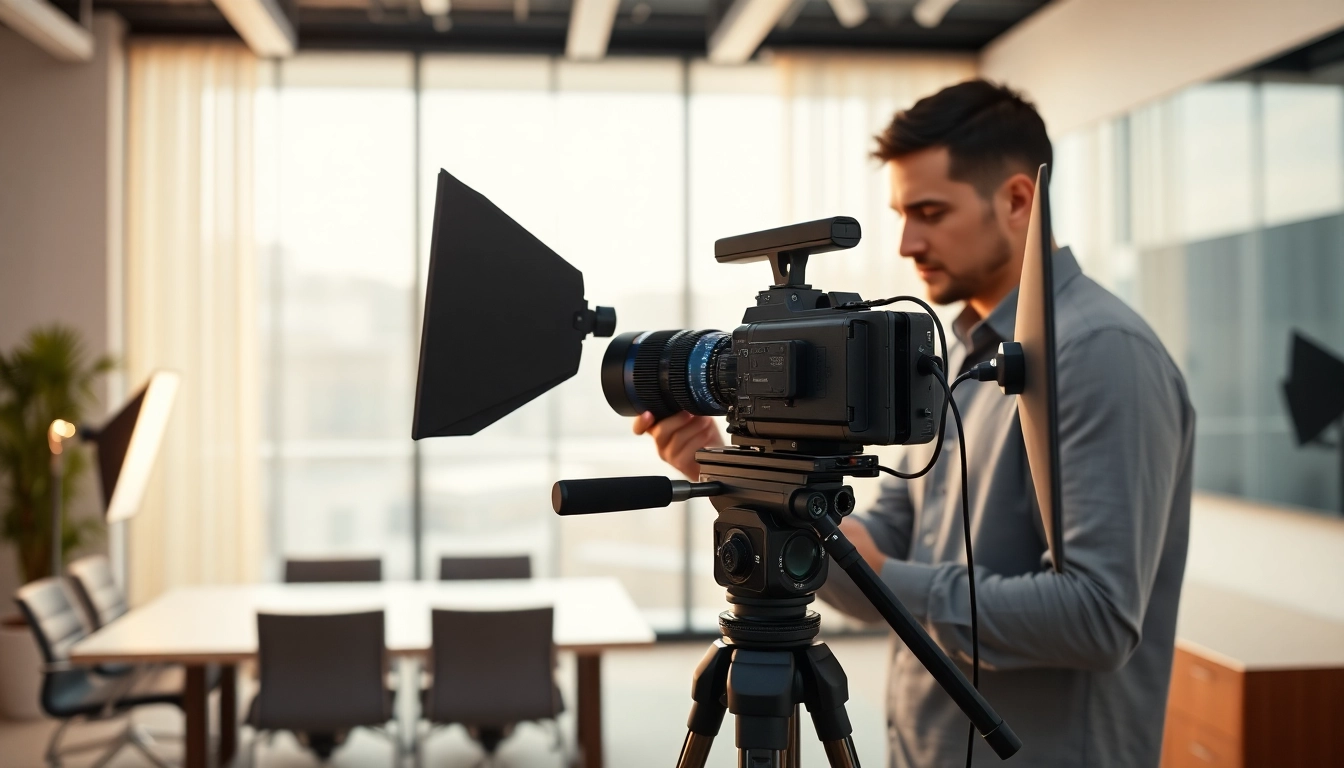
Equipment selection plays a critical role in the quality of your final product. Depending on your budget and the nature of your project, your equipment choice may vary. Basic video production equipment typically includes cameras, tripods, microphones, lighting kits, and editing software. Make sure that your equipment aligns with your project needs, and do not overlook aspects like audio quality, which is just as important as video quality.
Location Scouting and Setup
Location can significantly impact the visual story you are trying to convey. Spend time scouting potential locations that align with your script and intended message. Consider factors such as lighting, background noise, accessibility, and the ability to control the environment. Once a location is chosen, setting up your equipment to maximize visuals and sound quality is crucial, ensuring that every aspect enhances the overall production value.
Filming Techniques for Impact
Executing effective filming techniques can greatly enhance the impact of your video. Start with a solid plan including shot lists and storyboards to ensure thorough coverage of your narrative. Utilize various camera angles and movements to add dynamic elements to your shots. Techniques such as depth of field and framing can also create a more engaging viewing experience. Additionally, incorporating natural sound and ambient noises can enrich the video's authenticity and emotional resonance.
Editing and Post Production
Editing Software and Tools
Post-production is where your video really comes to life. Selecting the right editing software is essential to ensure a smooth editing process and high-quality output. Popular editing tools include Adobe Premiere Pro, Final Cut Pro, and DaVinci Resolve, each offering a unique set of features to enhance your editing capabilities. Familiarizing yourself with the software will allow you to explore advanced functionalities like color grading, switching between formats, and adding graphics.
Adding Visual and Audio Effects
Incorporating visual and audio effects can elevate your video and make it more engaging. Visual effects might involve the use of animations, transitions, or overlays to enhance storytelling. Meanwhile, sound effects, voiceovers, and background music are key components that complement the visual elements and evoke emotional responses from viewers. Ensure that the audio is clear and well-balanced with the visuals, maintaining professional quality throughout.
Finalizing Your Commercial Video
Finalizing your video involves several steps, including color correction, audio mixing, and ensuring that the video flows seamlessly. Review the video multiple times, preferably with fresh eyes, to catch any flaws or areas for improvement. Be sure to gather feedback from peers or test audiences before publishing. This might highlight aspects that require tweaking to enhance viewer engagement and effectiveness.
Measuring Success in Commercial Videography
Performance Metrics to Consider
Once your commercial video is live, measuring its success becomes essential. Utilize key performance indicators (KPIs) such as views, engagement rate (likes, shares, comments), conversion rates, and bounce rates. These metrics provide insight into how well your video performs regarding audience engagement and whether it meets your initial objectives. Tools like Google Analytics and social media insights are invaluable in tracking these metrics.
Gathering Audience Feedback
Collecting audience feedback is vital for understanding viewer perception and areas for improvement. Consider conducting surveys or using direct feedback tools on your video platform. Analyze comments and interactions to gauge how well your message resonates. Positive feedback can reinforce what works, while constructive criticism offers avenues for enhancement in future projects.
Improving Future Projects
After thoroughly assessing the performance of your commercial videography project, apply the lessons learned to improve future endeavors. Document insights regarding what elements engaged viewers most effectively and which aspects failed to resonate. This continuous loop of assessment and adjustment ensures that your future projects not only achieve set objectives but also maintain relevance in an ever-evolving market landscape.
FAQs About Commercial Videography
What are the main purposes of commercial videography?
Commercial videography is primarily used for advertising, branding, training, and product promotion, helping businesses connect with their target audience effectively.
How long should a commercial video be?
The ideal length varies but generally, promotional videos should be 30 seconds to 2 minutes long, while corporate videos can be longer depending on the content and audience engagement.
What equipment do I need for commercial videography?
Basic equipment includes a high-quality camera, tripod, microphone, and lighting kits. Advanced projects may also require professional editing software and additional gear.
How can I measure the success of my commercial video?
Success can be measured using metrics such as views, engagement rates, conversion rates, and audience feedback, providing insights into viewer engagement and effectiveness.
What should I include in my video script?
Your video script should include a strong hook, a clear message, visual descriptions, character introductions if needed, and a compelling call to action to guide viewer response.