Understanding the Scope of Florida Hurricane Damage
The state of Florida has a long and tumultuous history with hurricanes, making it a focal point for discussions around hurricane damage. Florida Hurricane Damage encompasses a wide array of impacts, ranging from destruction of property to long-term environmental damage. Given the frequency of severe storms in this region, understanding the underlying causes, effects, and recovery processes is crucial for residents and stakeholders alike.
Historical Context of Hurricanes in Florida
Florida has been subjected to numerous hurricanes throughout its history. The state is ideally positioned in the Atlantic hurricane belt, leading to a recurring cycle of preparation, disaster, and recovery. Major hurricanes like Andrew (1992) and Irma (2017) not only caused significant loss of life but also reshaped infrastructure and emergency response strategies in the state. Over the years, these storms have catalyzed changes in building codes and recovery efforts, highlighting the adaptability of Florida's communities in the face of relentlessly increasing hurricane intensity due to climate change.
Common Causes of Damage
Understanding the common causes of hurricane damage is vital for both prevention and recovery efforts. Hurricanes typically lead to three primary forms of damage: wind destruction, storm surge, and flooding.
- Wind Destruction: Wind speeds can exceed 150 mph during hurricanes, uprooting trees, demolishing buildings, and causing debris that can injure people.
- Storm Surge: The heightening of seawater is especially devastating to coastal areas. Storm surges can inundate homes and businesses, leading to structural compromise and extensive property loss.
- Flooding: Heavy rainfalls associated with hurricanes result in substantial flooding, overwhelming drainage systems and saturating the ground, which can undermine stability in structures.
Statistical Insights on Damage Estimates
In recent years, the financial impact of hurricanes in Florida has escalated dramatically. According to comprehensive studies, damages from storms like Hurricane Milton have soared into the billions. The estimated damages can range anywhere from $1.5 billion to over $100 billion for significant storm events, influencing not just local economies but national insurance markets as well. Monitoring these statistics helps government agencies and insurance companies prepare for future events, potentially minimizing economic fallout.
Categories of Florida Hurricane Damage
Residential and Commercial Property Damage
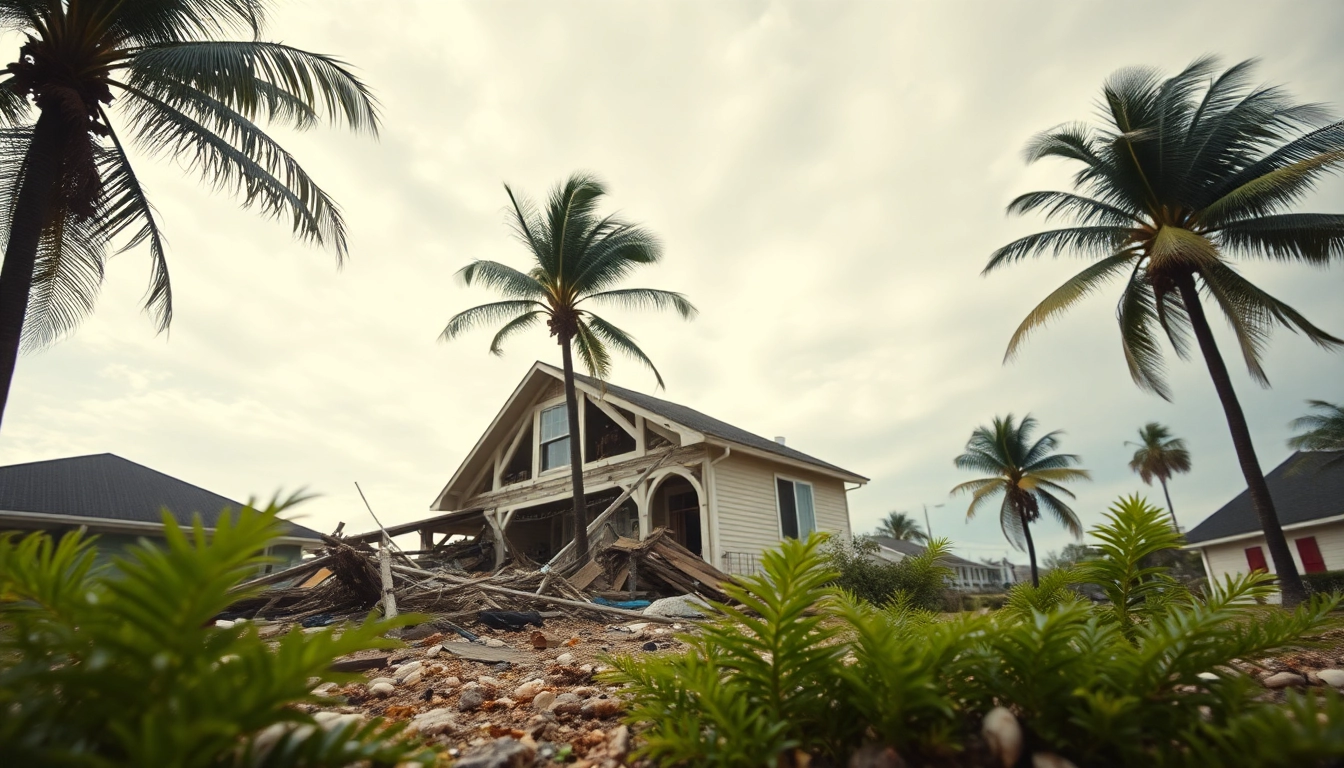
Hurricanes cause significant destruction of both residential and commercial properties in Florida. A rapid assessment of post-hurricane conditions often reveals extensive roof damage, broken windows, and even complete structural failures. Many buildings were once compliant with the latest engineering standards but can still succumb to the immense forces of nature. The aftermath includes not only immediate repairs but also lasting declines in property values, as fearful buyers approach the real estate market with caution.
Agricultural and Infrastructure Damage
Florida’s thriving agricultural sector also bears a heavy brunt during hurricanes. With vast agricultural land producing fruits, vegetables, and other staples, the impact of hurricanes translates to long-term destruction of crops and infrastructure. Estimates reveal that agricultural losses can reach billions, crippling local economies reliant on farming. Infrastructure damage is equally critical, as storm systems often flood roads, bridges, and power lines, taking months or longer to repair and restore.
Environmental Impacts of Hurricanes
The environmental consequences of hurricanes are profound and can persist for years. Coastal erosion, habitat destruction, and pollution from damaged facilities can alter ecosystems significantly. With Florida being home to delicate natural habitats like the Everglades, the loss of biodiversity following a hurricane poses serious ecological threats that require concerted efforts for recovery and rehabilitation.
Assessing the Impact of Florida Hurricane Damage
Short-Term vs. Long-Term Effects
The immediate aftermath of hurricanes typically showcases widespread destruction, marked by urgent search-and-rescue efforts and short-term aid provisions. However, the long-term effects can be even more severe, influencing community demographics, housing markets, and local economies.
Health Concerns Post-Hurricane
Once the winds die down and the floodwaters recede, the lasting impact on public health comes to the forefront. Issues include mental health problems stemming from trauma and bereavement, as well as physical health concerns such as waterborne diseases and mold growth in flooded environments. Addressing these ongoing health challenges often requires comprehensive community programs and interventions.
Impact on Local Economy and Property Values
The ripple effects of hurricane damage extend deeply into local economies. The initial surge of expenditures for repairs and reconstruction can create temporary jobs, but as properties lose value and businesses close, the community could face significant challenges. Over time, property values often plunge, affecting local tax revenues and limiting funds needed for schools and public services.
Recovery and Restoration Efforts
Government and Community Initiatives
In the face of devastating hurricanes, government response often involves a blend of federal, state, and local efforts aimed at recovery and restoration. Initiatives can range from providing immediate disaster aid and grants for rebuilding, to longer-term investments in resilient infrastructure designed to withstand future storms. Communities often rally together as well, launching local initiatives to support affected families and businesses, showing resilience in the wake of tragedy.
Insurance Considerations for Victims
Navigating the insurance landscape after a hurricane can be overwhelming for victims. Understanding the types of coverage available, such as flood insurance or windstorm coverage, is crucial for homeowners. Many Floridians find themselves underinsured and unaware of their policy limitations until disaster strikes, emphasizing the need for proactive education on insurance options.
Innovative Repair and Reconstruction Methods
Adopting new technologies for reconstruction and repair can speed up recovery while minimizing future damage. Innovations such as hurricane-resistant building materials, elevated construction designs, and smart home technology have emerged as effective tools for creating durable structures. Communities are increasingly leveraging modern design principles to not just rebuild, but to enhance resilience.
Preparing for Future Hurricane Damage in Florida
Creating Effective Emergency Plans
Any comprehensive strategy for hurricane preparedness must begin with effective emergency planning. This includes creating evacuation routes, establishing temporary shelters, and ensuring that communication lines remain open throughout a storm. Empowering communities through regular drills and awareness campaigns can help enhance disaster readiness.
Strengthening Infrastructure Resilience
Florida’s infrastructure must evolve in response to the increasing frequency and severity of hurricanes. Governments can invest in strengthening roads, bridges, and public utilities to withstand extreme weather. This can mean not only repairing existing structures but also integrating smart technologies that enhance operational performance.
Public Awareness and Education Initiatives
Public awareness campaigns are essential to educate residents on hurricane preparedness and recovery. Workshops, online resources, and community forums can provide essential information about how to prepare for hurricanes, what to do in the aftermath, and available resources for recovery. Engaging local schools in these initiatives also helps prepare future generations for the inevitable challenges posed by hurricanes.