





Understanding Austin Construction: Key Concepts and Trends The Basics of Austin Construction Austin construction encompasses a wide array of activities related to building and renovating structures in
What is Drayage?
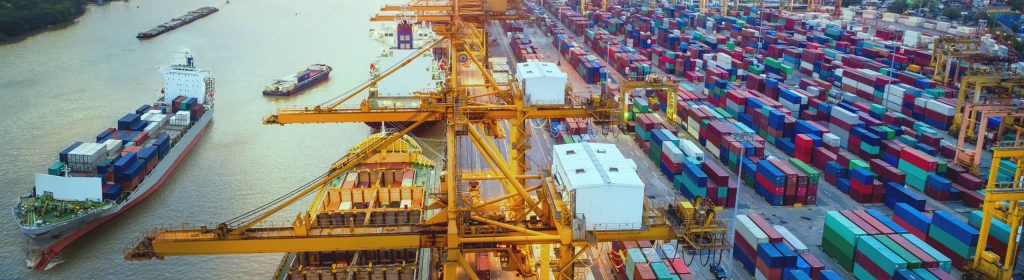
Drayage is a crucial component of the logistics and shipping sectors, focusing on the short-distance transport of goods typically over land. This term is particularly associated with the transportation of shipping containers to and from shipping ports, warehouses, and intermodal facilities. Understanding the mechanics of drayage can significantly enhance the efficiency of supply chain operations by bridging gaps in transport modes.
Definition and Key Features of Drayage
At its core, drayage refers to the process of transporting freight over short distances. This could mean moving a shipping container from a port to a nearby distribution center, or from a rail yard to a storage facility. Charactersitics of drayage include:
- Short-distance transport: Typically, drayage covers distances of less than 50 miles.
- Intermodal connections: It often serves as a connecting service between different modes of transport, such as from ship to truck or from rail to warehouse.
- Time-sensitive operations: The nature of drayage requires quick turnaround times as delays can lead to increased costs.
How Drayage Fits into the Shipping Supply Chain
Drayage is not just an isolated service; it plays an integral role in the larger shipping and logistics ecosystem. Here’s how:
- Initial Movement: Drayage services often commence at the port where shipping containers are unloaded from ships.
- Container Facilities: Once processed, containers are transported to warehouses or intermodal transport hubs.
- Distribution Centers: Finally, drayage connects these containers to local distribution centers where they are divided and dispatched across various destinations.
Common Types of Drayage Services
There are several types of drayage services, including:
- Port Drayage: Focused on transporting cargo to and from ship ports.
- Intermodal Drayage: Involves the transfer of containers between different transportation providers, such as railroads and trucking companies.
- Drayage with Storage: Services that include temporary storage of containers at the drayage provider’s facility.
- Transloading Drayage: When cargo is transferred from one mode of transport to another (e.g., from rail to truck), this service is essential.
The Importance of Drayage in Logistics
The significance of drayage cannot be overstated. As shipping volumes continue to surge globally, effective drayage solutions have become essential in maintaining efficiency in logistics operations.
Why Drayage Matters for Import and Export
For businesses engaged in international trade, drayage is pivotal. It establishes the first and last leg of transport, directly impacting delivery times, cost optimization, and customer satisfaction. Inefficient drayage can lead to delays that ripple through the entire supply chain, creating a bottleneck and increasing the risk of financial penalties from late deliveries.
Challenges Faced in Drayage Operations
Despite its importance, drayage services face several challenges:
- Traffic Congestion: Urban areas near ports frequently experience traffic bottlenecks that can delay drayage operations.
- Regulatory Compliance: Navigating the myriad of regulations governing transport can be a hurdle for drayage providers.
- Equipment Availability: Fluctuations in demand can lead to shortages in trucks and drivers, impacting service reliability.
Drayage’s Role in Reducing Shipping Costs
Optimized drayage services can significantly reduce shipping costs. Efficient route planning, timely pick-ups, and strategic partnerships with carriers allow businesses to maximize their budget for logistics. Improved drayage processes may lead to savings in transportation costs, fines, and storage expenses as well.
Best Practices for Efficient Drayage
Employing best practices in drayage enhances operational performance and boosts service quality:
Tips for Choosing a Drayage Provider
Selecting an effective drayage provider involves careful consideration of various factors:
- Track Record: Evaluate the provider’s history in the industry to assess reliability and performance.
- Technology Adoption: Look for providers using modern tracking systems and software for better visibility and logistics management.
- Flexibility: Ensure the provider has the capacity to adapt to changing business needs, including peak shipping seasons.
Utilizing Technology to Optimize Drayage Operations
Technology plays a crucial role in enhancing drayage efficiency. Adoption of real-time tracking systems allows stakeholders to monitor shipments and proactively address potential delays. Furthermore, platforms that integrate data analytics can help in optimizing route planning and reducing idle time.
Effective Scheduling and Planning Techniques
Strategic scheduling is vital to maximize efficiencies in drayage operations:
- Advance Booking: Encourage shippers to book drayage services ahead of time to ensure better resource allocation.
- Utilizing Dock Scheduling Software: This helps manage loading and unloading times effectively, minimizing waiting times.
- Collaborative Planning: Work together with logistics partners to develop a coordinated plan that accommodates varying parameters.
Understanding Related Terms: Drayage, Demurrage, and More
A solid understanding of key logistics terminologies assists businesses in navigating the complexities of shipping. This includes distinctions between drayage and other related services.
The Difference Between Drayage and Freight
While all drayage services fall under the broad umbrella of freight transportation, not all freight is drayage. Freight encompasses any goods transported, regardless of distance. Drayage is specifically concerned with short-distance transport, often serving as a logistical bridge between different transportation stages.
Understanding Demurrage Charges in Drayage
Demurrage refers to the fees charged by shipping companies when containers are held beyond the allotted time. In drayage, this could arise when containers are delayed due to congestion or planning inefficiencies. Understanding and managing these charges is essential for maintaining cost-effectiveness in logistics.
Common Misconceptions About Drayage
There are a few myths surrounding drayage that can mislead businesses:
- Drayage is only about transportation: In reality, drayage includes planning, execution, and managing logistics challenges.
- All providers offer the same service: The quality of service can significantly vary among providers, particularly relating to technology and operational capacity.
Future Trends in Drayage
As the logistics landscape continues to evolve, several trends will impact drayage services.
The Impact of E-commerce on Drayage Services
The exponential growth of e-commerce has increased the demand for efficient and timely delivery services. Drayage providers are expected to adapt swiftly, integrating technologies to enhance service delivery and respond to consumer demands for quicker delivery times, all while managing costs.
Innovations Driving Change in Drayage
Emerging technologies such as Artificial Intelligence (AI) and machine learning are beginning to enhance the efficiency of drayage. These technologies allow for predictive analytics, which can lead to improved resource allocation and route management. Autonomous vehicles may also revolutionize drayage operations, presenting opportunities for increased efficiency and reduced operational costs.
Preparing for Regulatory Changes in the Drayage Industry
The logistics sector is continually influenced by regulatory changes. Drayage providers must stay informed and compliant with evolving environmental regulations and labor laws. Adjusting operations to meet these requirements not only avoids penalties but also enhances operational sustainability.