Understanding Sports Massage at Home
If you're an athlete, a fitness enthusiast, or someone involved in physical activities, you understand the importance of maintaining your body's health and performance. One of the most effective ways to support your physical well-being is through sports massage therapy, particularly in the comfort of your own home. Sports massage at home provides not only convenience but also tailored care designed to address your unique physical needs.
What is Sports Massage?
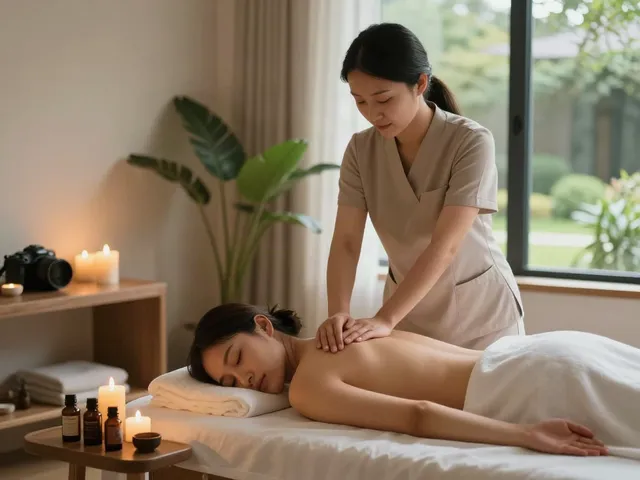
Sports massage is a specialized form of massage therapy focused on the needs of athletes and active individuals. It is tailored to help prevent injuries, prepare the body for athletic activities, and aid in recovery after an event. This therapeutic practice incorporates various techniques, including deep tissue massage, stretching, and trigger point therapy, aimed specifically at muscle groups used in sports. To effectively promote healing and performance, sports massage can vary in intensity and technique depending on the individual’s body and activity level.
Benefits of At-Home Massage Therapy
The advantages of receiving sports massage therapy in your own home are manifold. Firstly, it provides a level of convenience that makes it easier to fit into your busy schedule. Moreover, at-home therapies allow for a more relaxed and personalized experience compared to a clinical environment, where you may feel pressured or rushed. There, you can engage with your therapist openly about your specific concerns and goals. For those hesitant about visiting a clinic, sports massage at home offers a comfortable alternative that foster a calming atmosphere conducive to healing. Additionally, receiving treatment at home facilitates effective communication, allowing for better assessments and tailored therapies.
Indications for Seeking Sports Massage
Several indicators suggest that sports massage may be beneficial. These include recurrent muscle soreness, stiffness, decreased range of motion, or lingering injuries from past athletic endeavors. Athletes preparing for an event or those experiencing chronic conditions, such as tendonitis or muscle strains, may also seek sports massage to enhance performance and alleviate discomfort. Recognizing these signs can lead to timely care and prevent further issues down the line.
How Mobile Physiotherapy Works
Initial Assessment and Personalized Treatment Plan
When engaging with mobile physiotherapy, the process begins with an initial assessment by your physiotherapist. This comprehensive evaluation involves discussing your medical history, understanding your physical activities, and identifying any areas of concern. Based on this assessment, your therapist formulates a personalized treatment plan designed to meet your individual needs and goals, ensuring all aspects of your health are holistically addressed.
Techniques Used in Mobile Physiotherapy
Mobile physiotherapy encompasses a variety of techniques tailored to individual needs. These may include manual therapies, exercise prescription, modalities such as ultrasound or electrical stimulation, and thorough education on self-management techniques. Each session can incorporate elements of sports massage as well, effectively assisting in muscle recovery and tension relief.
Patient-Centered Approach in Home Care
One of the core philosophies of mobile physiotherapy is a patient-centered approach. This means that care is not only designed around clinical guidelines but also incorporates the preferences, values, and needs of the patient. By working collaboratively with you, therapists can ensure that your treatment is as effective as possible while making the experience comfortable and personalized.
Integrating Sports Massage with Other Therapies
Role of Physiotherapy in Injury Recovery
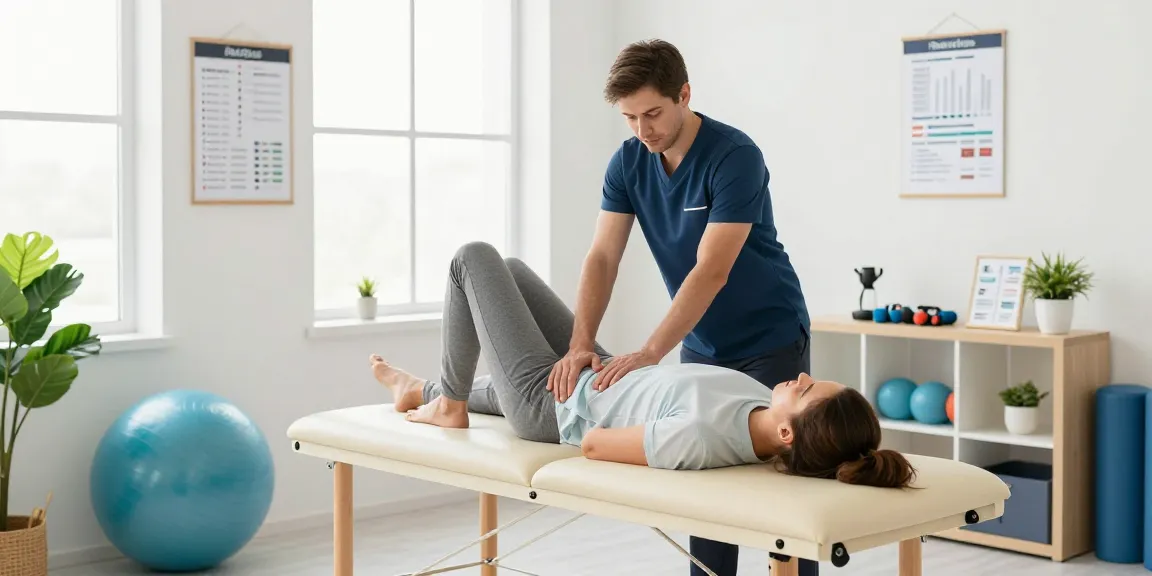
Sports massage is often combined with traditional physiotherapy for a comprehensive approach to injury recovery. Physiotherapists can assess injuries, develop rehabilitation exercises, and utilize techniques like sports massage to facilitate recovery. This integrated approach allows for enhanced healing and can significantly minimize downtime for athletes.
Complementing Massage with Rehabilitation Exercises
Incorporating rehabilitation exercises into sports massage therapy can further enhance recovery. Your physiotherapist may recommend specific exercises that complement the massage techniques used, promoting strength and flexibility in targeted muscle groups. This strategic combination can expedite recovery and improve overall performance.
Using Telehealth for Continuous Care
With advancements in technology, telehealth has become an invaluable tool for continuous care. Following your sports massage or physiotherapy sessions, virtual consultations can help monitor your progress and adjust your treatment plan as needed. This approach can enhance accountability and ensure you remain on track with your recovery goals.
Choosing the Right Provider for Sports Massage
What to Look for in a Mobile Physiotherapist
When selecting a mobile physiotherapist for sports massage, consider their qualifications, experience, and approach to treatment. Look for practitioners who are registered with relevant professional bodies and have a background in sports therapy. Additionally, inquire about their experience working with athletes, as specific knowledge can enhance the quality of care provided.
Verified Qualifications and Certifications
Ensure your chosen physiotherapist possesses verified qualifications and certifications. This may include degrees in physiotherapy, specialized training in sports massage, and ongoing professional development. These factors contribute to a therapist's ability to provide safe and effective treatments tailored to individual needs.
Reading Reviews and Testimonials
Reviews and testimonials from previous clients can provide valuable insights into the quality of service offered by a mobile physiotherapist. Look for feedback that speaks to the effectiveness of treatments, the therapist’s professionalism, and their ability to create a comfortable environment during therapy sessions.
FAQs about Home Sports Massage Services
Is sports massage suitable for everyone?
While sports massage is generally beneficial for those who engage in physical activities, it may not be suitable for everyone. Individuals with certain medical conditions or injuries should consult their healthcare provider before receiving massage therapy to ensure it aligns with their treatment plans.
How often should I schedule sports massage at home?
The frequency of sports massage varies depending on individual needs, activity level, and injury status. Athletes may benefit from more frequent sessions, particularly before and after competitions, while casual fitness enthusiasts may find monthly or bi-monthly appointments sufficient. A discussion with your therapist can establish an appropriate schedule.
What should I expect during a home visit?
During a home visit, you can expect a thorough assessment that includes a review of your medical history and an evaluation of the areas requiring treatment. For more information, sports massage at home offers valuable insights. Your physiotherapist will then conduct the massage therapy, explaining each step and technique used to ensure you are comfortable and informed throughout the process.