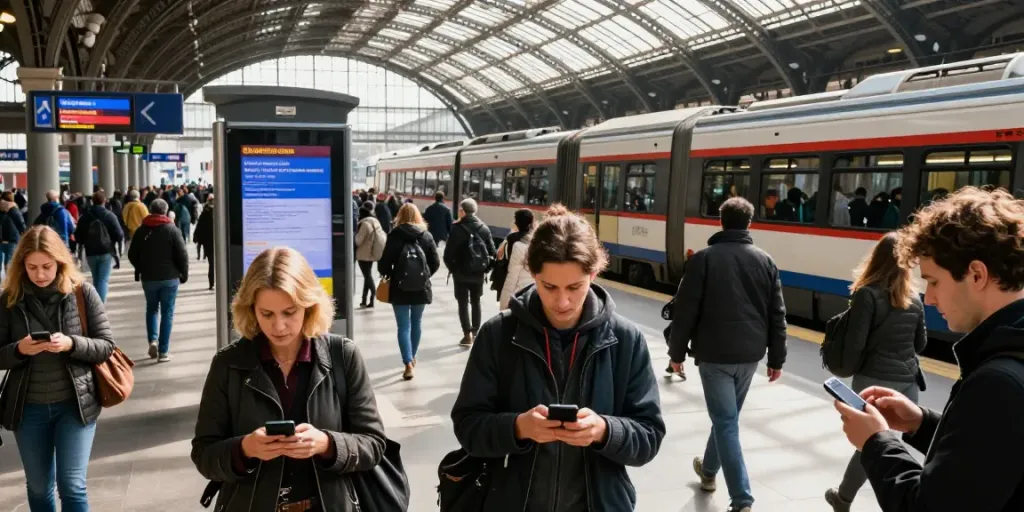
Understanding Public Strikes and Their Impact
Public strikes are a vital aspect of labor relations and play a significant role in various sectors, notably in transportation and public services. These organized efforts by employees aim to advocate for better working conditions, wages, and benefits. In Italy, the ability to strike is deeply embedded in labor culture, reflecting a historical context where workers mobilize to voice their demands. The ramifications of public strikes can affect millions of people, causing disruptions and prompting the need for effective planning and communication. If you're looking to stay informed about upcoming disruptions such as Public Strikes, it's essential to understand their nuances and implications.
What Constitutes a Public Strike?
A public strike, often referred to as a labor strike, occurs when employees collectively cease work in protest against conditions set forth by employers or in response to unresolved grievances. These strikes are typically organized by labor unions but can also happen informally among workers. The motivation behind a public strike may include demands for higher wages, safer working environments, or fair treatment. It's essential to differentiate between legal and illegal strikes; the former is protected under labor laws, while the latter can result in disciplinary actions against the strikers.
The Legal Framework Surrounding Public Strikes
In Italy, labor laws permit strikes provided they are announced at least ten days in advance. This regulation aims to ensure that the public and employers can prepare for potential disruptions. The legal framework regulating public strikes encompasses various statutes, including those that govern collective labor agreements and the rights of employees to unionize and strike. Violations of these laws can lead to legal repercussions for both the striking workers and their unions.
Historical Context: Major Public Strikes in Italy
Italy has a rich history of public strikes that have shaped labor relations within the country. One significant strike was the 1969 "Hot Autumn," which marked a series of labor protests and strikes across various industries, demanding better pay and working conditions. Another notable instance was the 1980 steelworkers' strike at the ILVA steel plant, which garnered national attention and highlighted the struggles of workers in heavy industries. Such historical events not only reflect the socio-economic conditions of their time but also influence contemporary labor movements and the perception of public strikes today.
How to Stay Informed About Public Strikes
Staying informed is crucial for individuals who rely on public transportation or other essential services affected by strikes. With the advent of technology, there are numerous ways to receive timely updates and alerts about upcoming strikes. Mobile applications, like the one provided by Sciopero, offer real-time notifications and allow users to select regions and transport categories of interest. This ensures that you are always prepared and never caught off guard by a strike.
Utilizing Technology: Mobile Apps and Notifications
Mobile applications have revolutionized how individuals stay informed about public strikes. Apps designed specifically to report on strikes provide live updates, historical data, and notifications tailored to user preferences. Users can opt to receive alerts about specific types of strikes—be it for trains, buses, or even educational institutions—allowing them to plan their travels effectively without unexpected interruptions.
Real-Time Strike Maps: A Comprehensive Overview
Real-time maps showcasing the location and status of strikes are invaluable tools for commuters. These maps offer a visual representation of which regions are affected and can help users identify alternative routes or modes of transportation. By utilizing these resources, individuals can make informed decisions about their travel plans, significantly reducing the stress associated with unexpected disruptions.
Regional Differences in Strike Notifications
It's essential to recognize that strike notifications can vary by region in Italy. Certain areas may experience more frequent strikes due to various social, economic, or political factors. Understanding these regional differences is crucial for travelers and residents alike, as it can influence how and when they receive notifications about potential work stoppages. Selecting the relevant regions in your notification settings can streamline your information delivery, ensuring you only receive the updates that matter most to you.
Planning Ahead: Navigating Travel During Public Strikes
When a public strike is announced, effective planning becomes paramount. Being proactive can save time, reduce frustration, and ensure that you reach your destination without unnecessary delays.
Effective Travel Strategies During Public Strikes
To navigate travel during public strikes, consider adopting the following strategies:
- Check Notifications Regularly: Stay updated with any last-minute changes or new information regarding the strike.
- Use Alternative Transportation: Identify other transport options, such as carpooling, cycling, or using ride-sharing services, to mitigate the impacts of disrupted public transport.
- Plan Your Route in Advance: Use real-time maps to find the most efficient route that avoids strike-affected areas.
How to Use Strike Alerts for Smart Travel Planning
Leveraging strike alerts can significantly enhance your travel planning. By configuring notifications on your mobile app, you can receive updates specifically for your route, helping you avoid potential disruptions. Utilizing this information allows you to adjust your travel timings and routes proactively, ensuring that your journey remains as seamless as possible.
Alternatives to Public Transport During Strikes
When public transport is affected by a strike, exploring alternative transportation methods is essential. Some options include:
- Car Rentals: Renting a car allows for flexibility and the ability to bypass strike zones.
- Biking: If feasible, cycling can be a quicker way to navigate through congested areas.
- Walking: For shorter distances, walking can often be the fastest option during a public strike.
The Role of Communication in Public Strikes
Communication plays a critical role in the context of public strikes. Effective communication ensures that all stakeholders are informed and can respond accordingly, minimizing the negative impacts of disruptions.
Key Stakeholders: Unions and Government Agencies
Unions serve as the primary representatives for workers during strikes, advocating for their rights and demands. On the other hand, government agencies are responsible for maintaining public order and ensuring that essential services continue to operate where possible. Collaboration between these parties can lead to better outcomes for all involved, including clearer communication about the reasons for strikes and the expected duration.
Public Response and Perception of Strikes
The public’s response to strikes can significantly influence their effectiveness. Supportive communities may rally behind workers, amplifying their voices and putting pressure on employers to negotiate. Conversely, negative perceptions can arise when strikes lead to widespread inconvenience, affecting public sentiment towards strikers. Understanding this dynamic is vital for both unions and employees to gauge the potential support for their actions.
How Media Coverage Shapes Public Understanding
Media plays a foundational role in shaping public perceptions of strikes. Coverage can highlight the struggles and demands of workers, fostering empathy and understanding. Alternatively, if portrayed negatively, strikes may be viewed as disruptive and unjustified. The narrative presented by the media can either bolster or hinder the strikers’ cause, making it imperative for unions to engage with media outlets effectively.
Future Trends in Public Strikes and Transportation
As we look towards the future of public strikes in the context of transportation, several emerging trends are likely to shape how strikes unfold and how they are managed.
Emerging Patterns in Public Strikes: Predictions for 2026
As we approach 2026, it is anticipated that public strikes may become more prevalent due to increasing worker mobilization and awareness of labor rights. Factors such as inflation, job security, and working conditions will likely fuel these movements. Industries that have been historically resistant to strikes may also see a rise in workers demanding change, reflecting a broader global trend.
Innovative Solutions for Minimizing Public Strike Effects
In response to the disruption caused by public strikes, various innovative solutions are likely to emerge. For instance, cities might invest in enhancing alternative transport options and infrastructure to accommodate the needs of commuters during strikes. Moreover, organizations may collaborate with unions to establish effective communication channels that provide real-time updates and facilitate smoother transitions during labor disputes.
The Future of Transportation: Adapting to Strike Culture
Public transport systems must adapt to the growing culture of strikes by developing contingency plans and improving service reliability. Embracing technology to provide real-time updates and alternative transport solutions will be crucial in mitigating the impact of public strikes. With the right foresight and preparation, both workers and commuters can navigate the challenges posed by public strikes more effectively.
What are the common causes of public strikes?
Common causes of public strikes include disputes over wages, working conditions, job security, and benefits. Employees may also strike in response to layoffs, changes in company policies, or labor relations issues with management.
How can I get real-time notifications for public strikes?
Real-time notifications for public strikes can be obtained through mobile apps tailored for strike alerts, allowing users to select specific regions and transport categories to receive relevant updates.
What should I do if a public strike affects my travel plans?
If a public strike impacts your travel plans, stay informed by checking strike alerts, exploring alternative transportation options, and planning your route in advance to minimize delays.
Are there specific regions more prone to public strikes?
Yes, certain regions may experience more frequent public strikes due to sociopolitical dynamics, labor union activity, and historical factors that influence the labor market.
What role does technology play in managing public strikes?
Technology plays an essential role in managing public strikes by facilitating communication through mobile apps and real-time updates, helping both workers and the public stay informed and make better travel decisions.