
The manufacturing industry is constantly searching for innovative ways to improve efficiency, reduce expenses, and maintain high-quality production standards. As demand for accurate and durable metal components continues to grow, businesses are adopting advanced technologies that help optimize manufacturing processes.
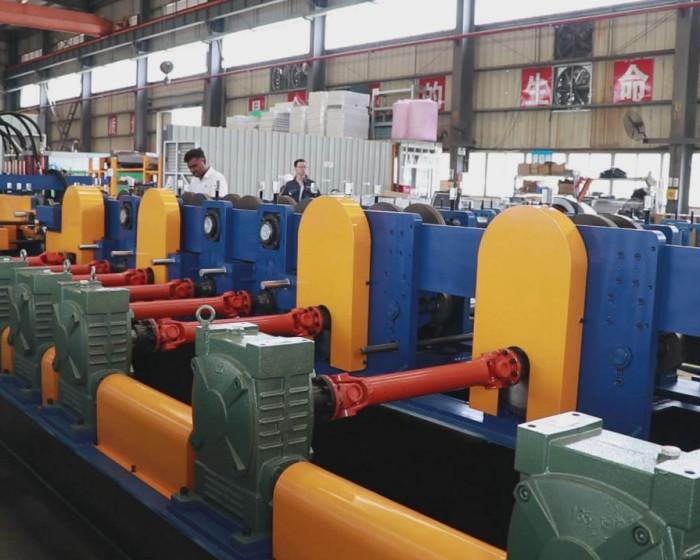
Advanced metal forming technology has become an important solution for modern industries because it allows manufacturers to produce precise metal profiles with improved speed and efficiency. By using Purlin roll forming machine and controlled production methods, companies can reduce material waste, lower operational costs, and improve overall productivity.
With the development of smarter machinery, metal forming processes are becoming more reliable, sustainable, and suitable for today’s competitive manufacturing environment.
Understanding Advanced Metal Forming Technology
Metal forming is a manufacturing process that shapes metal materials into specific designs without removing large amounts of material. Modern forming technologies use advanced machinery to create accurate components while maintaining the strength and quality of the metal.
Unlike older production methods that may require several processing stages, advanced metal forming systems provide a smoother and more efficient approach. These technologies help manufacturers save time, improve consistency, and reduce unnecessary material usage.
From construction components to industrial products, modern metal forming plays an important role in many manufacturing applications.
Reducing Material Waste Through Precision Production
One of the major advantages of advanced metal forming technology is improved material efficiency. Traditional manufacturing methods often involve cutting, reshaping, and adjusting materials, which can create unnecessary waste.
Advanced forming machines use precise controls to shape metal according to exact requirements. This controlled process allows manufacturers to maximize material usage and minimize leftover scraps.
By reducing waste during production, businesses can lower material expenses and support more sustainable manufacturing practices.
Lowering Production Costs with Automation
Automation has transformed the way manufacturers operate by improving production speed and reducing manual effort. Modern metal forming systems can complete multiple tasks with limited operator involvement.
Automated processes help reduce labor requirements and improve workflow efficiency. With fewer production interruptions and improved accuracy, manufacturers can achieve higher output while controlling operational costs.
This makes advanced metal forming technology a valuable investment for companies looking to improve long-term profitability.
Improving Efficiency with Faster Production Cycles
Time efficiency is essential in modern manufacturing. Businesses need solutions that allow them to complete projects quickly while maintaining product quality.
Advanced metal forming machines support continuous production, helping manufacturers create large quantities of components in less time. The faster production cycle reduces delays and allows companies to respond more effectively to customer demands.
Improved efficiency also helps manufacturers manage resources better and maintain competitive advantages in the market.
The Role of Purlin Roll Forming Machines in Cost-Effective Manufacturing
The construction industry depends on accurate and durable steel components, especially for roofing systems and structural frameworks. Producing these components efficiently requires specialized equipment.
A purlin roll forming machine helps manufacturers create strong and precise purlin profiles through an optimized forming process. These machines improve production consistency while reducing material loss during manufacturing.
For steel suppliers and construction material producers, advanced purlin forming equipment provides a reliable way to increase productivity and maintain high-quality standards.
Enhancing Workflow with Automated Handling Systems
Efficient production does not end after forming metal components. Proper handling, organization, and storage are also important parts of manufacturing operations.
Automatic stacking systems improve the final stage of production by arranging finished metal profiles in an organized manner. This reduces manual handling, improves workplace efficiency, and makes transportation easier.
By integrating automatic stacking into metal forming systems, manufacturers can create smoother production workflows and reduce unnecessary handling costs.
Supporting Sustainable Manufacturing Practices
Sustainability has become a major focus across industrial sectors. Manufacturers are looking for ways to reduce energy use, limit waste, and improve resource efficiency.
Advanced metal forming technology supports sustainable production by optimizing material consumption and reducing unnecessary processing steps.
By using efficient machinery, businesses can achieve environmental goals while also improving their financial performance.
Applications of Advanced Metal Forming Systems
Advanced metal forming technology is widely used in many industries, including:
- Construction material production
- Steel structure manufacturing
- Automotive component production
- Roofing and wall systems
- Industrial equipment manufacturing
- Customized metal profile creation
- Infrastructure projects
The flexibility of these systems allows manufacturers to produce different components based on specific industry requirements.
Choosing the Right Metal Forming Solution
Selecting the right equipment is important for businesses that want to improve production efficiency. Manufacturers should consider factors such as machine quality, automation features, production capacity, and maintenance requirements.
A reliable metal forming system should provide accurate output, stable performance, and long-term durability. Choosing suitable machinery helps companies reduce costs and achieve better manufacturing results.
Investing in advanced technology allows businesses to improve productivity while preparing for future industry demands.
Conclusion
Advanced metal forming technology is helping manufacturers reduce production costs, minimize waste, and improve overall efficiency. With better precision, automation, and resource management, these systems provide valuable benefits for modern industries.
Solutions such as a purlin roll forming machine and automatic stacking systems allow businesses to optimize production workflows and achieve better results. As manufacturing continues to advance, innovative metal forming technology will remain an important factor in creating efficient and sustainable production processes.