Understanding Smoke Detectors and Their Power Needs
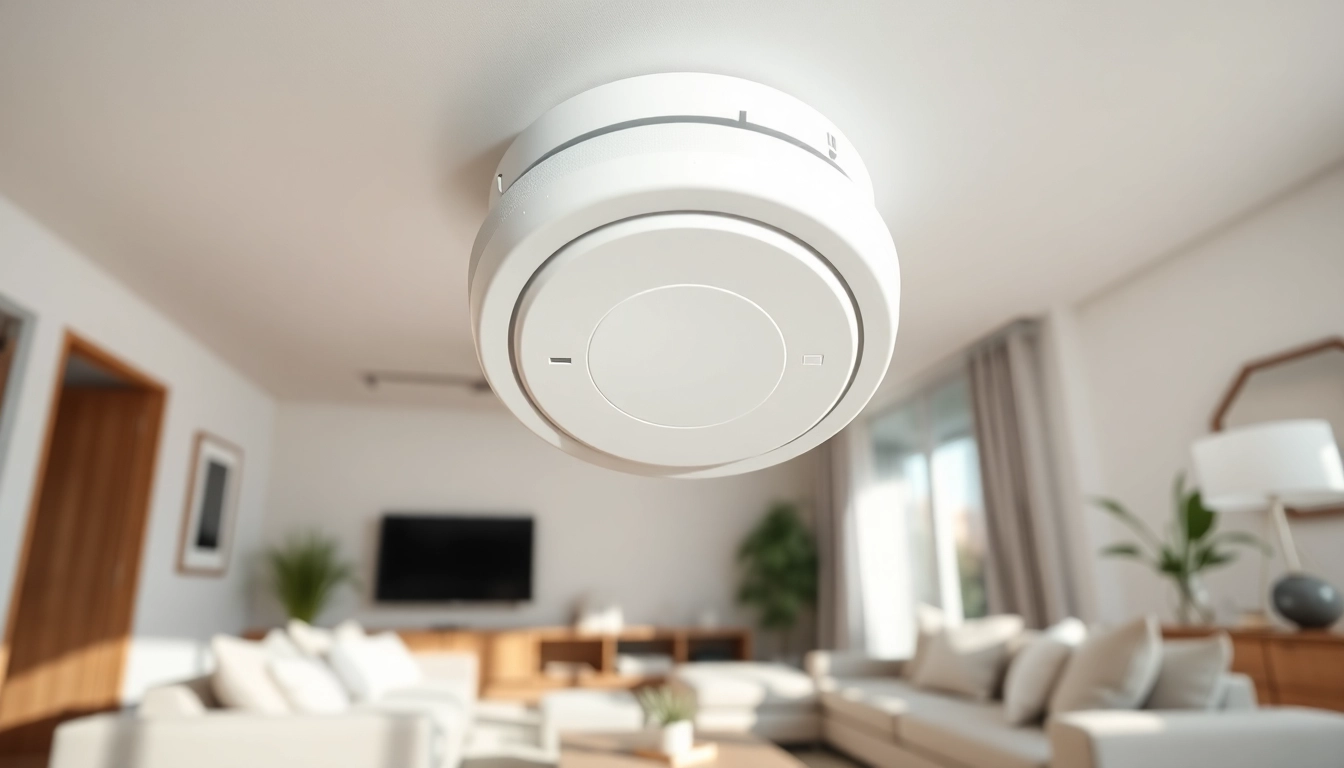
Smoke detectors are an essential component of fire safety, acting as the first line of defense in alerting occupants to danger. One of the crucial components of these life-saving devices is the smoke detector battery, which powers the device to ensure it operates correctly when needed. Understanding the types of batteries available for smoke detectors and their importance can significantly enhance your safety measures.
What is a Smoke Detector Battery?
A smoke detector battery is a power source that enables the smoke detector to function continuously. Unlike hardwired smoke detectors that are connected to a home's electrical system, battery-operated detectors rely solely on batteries for power. This means that the choice and maintenance of the battery are vital for ensuring the smoke detector's operational integrity.
Types of Smoke Detector Batteries Available
There are primarily two types of batteries used in smoke detectors: alkaline and lithium. Alkaline batteries are the most common choice, usually offering a lifespan of about 6 months to 1 year, depending on usage and the device's specifications. Lithium batteries, on the other hand, are designed for long-term use, lasting up to 10 years in some models. Additionally, there are rechargeable options that can provide a sustainable solution but may not be compatible with all detectors.
Why Battery Choice Matters for Fire Safety
The choice of battery in your smoke detector is not just an issue of convenience; it directly impacts fire safety. A smoke detector powered by a dead or low battery is ineffective in an emergency. Choosing the right battery – one that suits the detector's specifications and offers sufficient power – ensures reliable function. Regular maintenance, including battery checks and replacements, is critical to maintaining safety standards.
How to Select the Best Smoke Detector Battery
Factors to Consider When Choosing a Battery
When selecting a smoke detector battery, various factors come into play:
- Compatibility: Ensure the battery matches the specifications of your smoke detector model.
- Longevity: Consider the expected life of the battery; lithium batteries may offer a longer lifespan, saving time on replacements.
- Performance: Look for batteries with low self-discharge rates, which maintain power over time and provide more reliable service.
- Cost: Weigh the cost of the battery against its lifespan and performance to determine value for money.
Top Brands for Smoke Detector Batteries
Several reputable brands are known for producing high-quality batteries for smoke detectors. Some of the most trusted brands include:
- Energizer: Renowned for reliable alkaline and lithium batteries.
- Duracell: Offers a wide range of both alkaline and long-lasting lithium options.
- Panasonic: Known for producing high-performance batteries that meet stringent safety standards.
- Rayovac: Affordable and reliable options that cater to varying smoke detector needs.
Comparative Analysis of Alkaline vs. Lithium Batteries
The two primary battery types, alkaline and lithium, each have their advantages and disadvantages:
FeatureAlkaline BatteriesLithium BatteriesAverage Lifespan6-12 months5-10 yearsSelf-Discharge RateHigherLowerCostLess expensiveMore expensive upfrontEnvironmental ImpactLess eco-friendlyMore sustainable, especially in rechargeable options
In summary, while alkaline batteries might be more affordable, lithium batteries offer superior longevity and reliability, making them a more prudent choice for smoke detectors.
Installation and Maintenance of Smoke Detector Batteries
Step-by-Step Battery Replacement Procedure
Replacing batteries in a smoke detector is a straightforward process, but it needs to be done correctly for safety:
- Remove the Detector: Carefully twist or pull to detach the smoke detector from its mounting bracket.
- Open the Battery Compartment: Locate and open the battery compartment, lifting it as indicated in the manual.
- Take Out the Old Battery: Remove the old battery, taking note of the orientation (positive and negative ends).
- Insert the New Battery: Place the new battery in the compartment, ensuring it is oriented correctly.
- Close the Compartment: Securely close the battery compartment and reattach the smoke detector to its bracket.
- Test the Detector: Press the test button to ensure the detector functions properly.
Best Practices for Smoke Detector Maintenance
Proper maintenance of smoke detectors can ensure their longevity and reliability:
- Regular Testing: Test your smoke detector at least once a month to ensure it’s working properly.
- Battery Replacement: Replace batteries at least once a year or immediately if the low battery alarm sounds.
- Cleaning: Dust and vacuum your smoke detectors regularly to prevent dust build-up which can interfere with its function.
- Replace Detectors: Smoke detectors themselves should be replaced every 10 years.
Common Installation Mistakes to Avoid
Even a well-chosen smoke detector can fail if not installed properly. Here are common mistakes to avoid:
- Mounting Height: Install detectors at the recommended height, usually on the ceiling or high on the wall, to detect smoke effectively.
- Location: Avoid installing smoke detectors near kitchens or bathrooms where steam and cooking smoke might cause false alarms.
- Ignoring Wiring Instructions: For hardwired models, follow wiring instructions carefully to prevent electrical malfunctions.
- Battery Neglect: Don't ignore battery checks and replacements; a functional battery is vital for performance.
Performance Metrics for Smoke Detector Batteries
Understanding Battery Life Expectations
Understanding the expected lifespan of batteries used in smoke detectors can help you better prepare for maintenance. Alkaline batteries typically need replacement every 6-12 months, while lithium batteries can last 5-10 years, depending on usage and environmental factors. Always refer to the manufacturer's guidelines to align your expectations.
Indicators of a Weak Smoke Detector Battery
Identifying when a smoke detector battery is weak can prevent dangerous situations. Look for these indicators:
- Intermittent Beeping: This is often a sure sign that the battery needs replacing.
- Dim LED Indicator: If your smoke detector has an LED that indicates battery health, a dim light could mean low power.
- Failure to Respond: If the detector does not respond when tested, the battery may be weak or dead.
How to Test Your Smoke Detector’s Battery Performance
Testing your smoke detector battery can be easily integrated into your regular maintenance routine:
- Press the Test Button: This checks if the detector is functioning and receiving power.
- Listen for the Alarm: A loud, consistent beep indicates that the smok detector is working.
- Replace Your Batteries: If the test fails or produces weak sounds, it's time to replace the battery.
Safety Regulations and Recommendations
Current Fire Safety Guidelines
Fire safety guidelines vary by location, but general recommendations include installing smoke detectors on every level of your home, inside each bedroom, and outside sleeping areas. Following local regulations is vital to ensure compliance and safety.
Importance of Regular Battery Changes
Regularly changing smoke detector batteries is critical in maintaining effective fire safety. Many homeowners forget about this vital maintenance step, leading to malfunctioning detectors during emergencies. Setting a schedule for battery changes can help ensure that detectors are always operational.
Where to Buy Reliable Smoke Detector Batteries
Reliable smoke detector batteries can be purchased from various outlets, including:
- Local hardware stores
- Home improvement centers
- Online retailers
- Supermarkets and convenience stores
When purchasing batteries, opt for reputable brands and check expiration dates to ensure your smoke detectors are equipped with reliable power sources.